3-Year Bachelor Degrees: Tuition Savings Promise?
Advertisements

Latest developments on Are Accelerated 3-Year Bachelor Degrees Delivering on Their 25% Tuition Savings Promise?, with key facts, verified sources and what readers need to monitor next in Estados Unidos, presented clearly in Inglês (Estados Unidos) (en-US).
Are Accelerated 3-Year Bachelor Degrees Delivering on Their 25% Tuition Savings Promise? is shaping today’s agenda with new details released by officials and industry sources. This update prioritizes what changed, why it matters and what to watch next, in a straightforward news format.
The increasing cost of higher education in the United States has led many prospective students and their families to seek more affordable alternatives. Among these, the concept of accelerated 3-Year Bachelor Degrees has gained considerable traction, promising not only a faster entry into the workforce but also significant tuition savings.
However, as these programs become more prevalent, a critical question emerges: are these accelerated pathways truly delivering on their advertised promise of a 25% reduction in overall tuition costs? This report delves into the financial realities, academic rigor, and long-term implications of these programs, providing a comprehensive overview for those considering this educational route.
We examine the perspectives of students, educators, and financial aid experts to offer a balanced view. Understanding the nuances of these programs is crucial for making informed decisions in an evolving educational landscape.
The Rise of Accelerated 3-Year Bachelor Degrees
The concept of 3-Year Bachelor Degrees has been gaining momentum across American universities as a response to escalating tuition fees and student debt. Institutions are exploring innovative ways to condense traditional four-year curricula into a more intensive, streamlined three-year format, aiming to make higher education more accessible and affordable.
This shift represents a significant departure from the long-standing four-year model, challenging both academic norms and financial expectations. Proponents argue that a shorter degree path can save students a full year of tuition, housing, and living expenses, making college a more viable option for many.
However, the implementation and effectiveness of these programs vary widely, raising questions about whether the promised savings and academic quality are consistently met. Understanding the underlying structure and institutional commitment is key to evaluating their true value.
Understanding the 25% Tuition Savings Claim
The claim of a 25% tuition savings is often the primary driver for students considering 3-Year Bachelor Degrees. This figure typically stems from eliminating one year of tuition and associated fees, theoretically reducing the total cost by a quarter.
However, this calculation can be more complex in practice, as many accelerated programs require students to take heavier course loads during fall, spring, and often summer semesters. This increased intensity can lead to additional fees, textbook costs, and potentially limit opportunities for part-time work.
Therefore, while the core tuition for a shorter period might be less, the overall financial picture needs careful scrutiny to ensure the promised savings materialize. Hidden costs or increased living expenses during intense summer sessions can erode the perceived financial advantage.
Academic Rigor and Program Structure
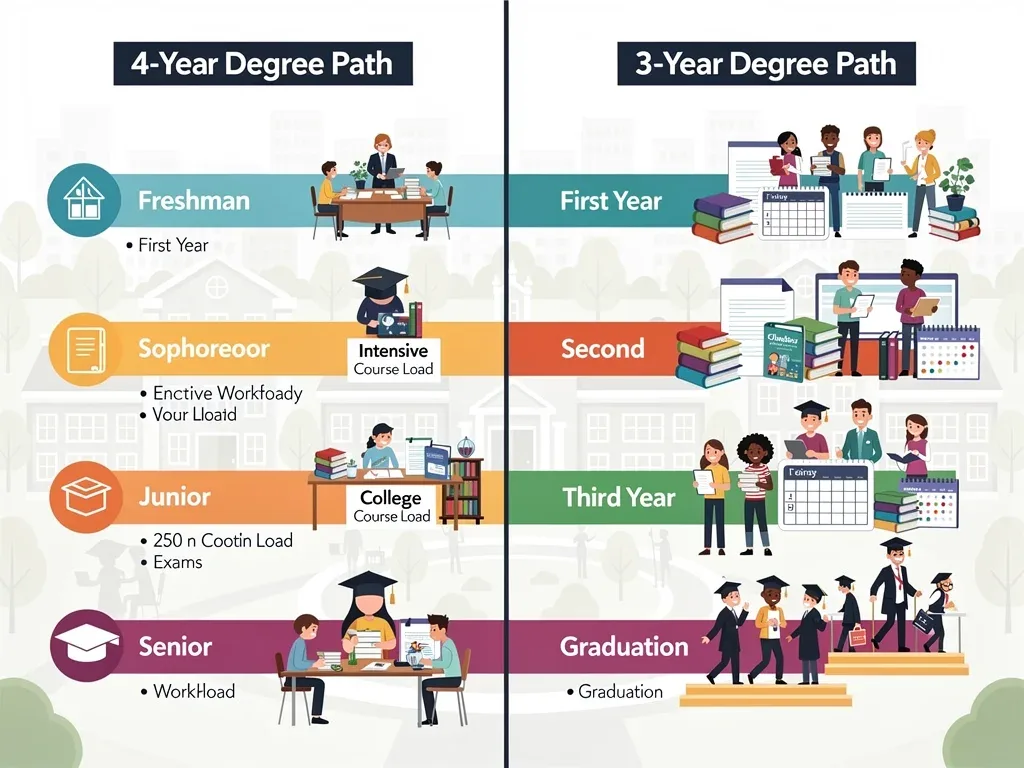
To compress a four-year curriculum into three years, universities often redesign their programs to be more intensive and focused. This typically involves year-round study, fewer elective options, and a higher credit load per semester.
Students in 3-Year Bachelor Degrees must demonstrate strong academic discipline and time management skills to keep up with the demanding pace. The curriculum is often streamlined, emphasizing core competencies and major-specific courses, which can limit opportunities for broader interdisciplinary exploration.
This academic intensity can be a double-edged sword: while it facilitates faster graduation, it might also reduce opportunities for internships, study abroad experiences, or extracurricular activities that are often integral to a holistic college experience.
Financial Realities Beyond the Headline
While the allure of a 25% tuition reduction is strong, a deeper dive into the financial implications of 3-Year Bachelor Degrees reveals a more nuanced picture. The actual savings can be influenced by various factors, including institutional pricing models, financial aid structures, and individual student circumstances.
Many universities offering these accelerated programs may adjust their tuition rates or fee structures for the condensed timeline. It is crucial for prospective students to obtain a detailed breakdown of all costs associated with the three-year program versus the traditional four-year path at a specific institution.
Furthermore, the impact on financial aid eligibility and scholarship opportunities must be carefully considered, as some aid packages are structured around traditional four-year enrollment. This detailed financial analysis is essential to accurately assess if the 25% savings promise holds true.
Hidden Costs and Unexpected Expenses
Beyond the advertised tuition, several hidden costs can emerge with 3-Year Bachelor Degrees that might erode the anticipated savings. These can include increased summer session tuition, which some institutions charge at a different rate, or additional fees for accelerated courses.
Students in these programs often face higher textbook and material costs due to the increased number of courses taken in a shorter period. Moreover, the compressed schedule might limit students' ability to work part-time, impacting their income and increasing reliance on loans.
Living expenses, while reduced by one year, might be higher per month if students forgo summer breaks and remain on campus, incurring housing and dining costs they might otherwise avoid. These factors collectively require a thorough financial projection.
Impact on Financial Aid and Scholarships
The structure of financial aid and scholarships can significantly affect the net cost of 3-Year Bachelor Degrees. Many institutional scholarships, federal grants, and state aid programs are designed with a four-year degree progression in mind.
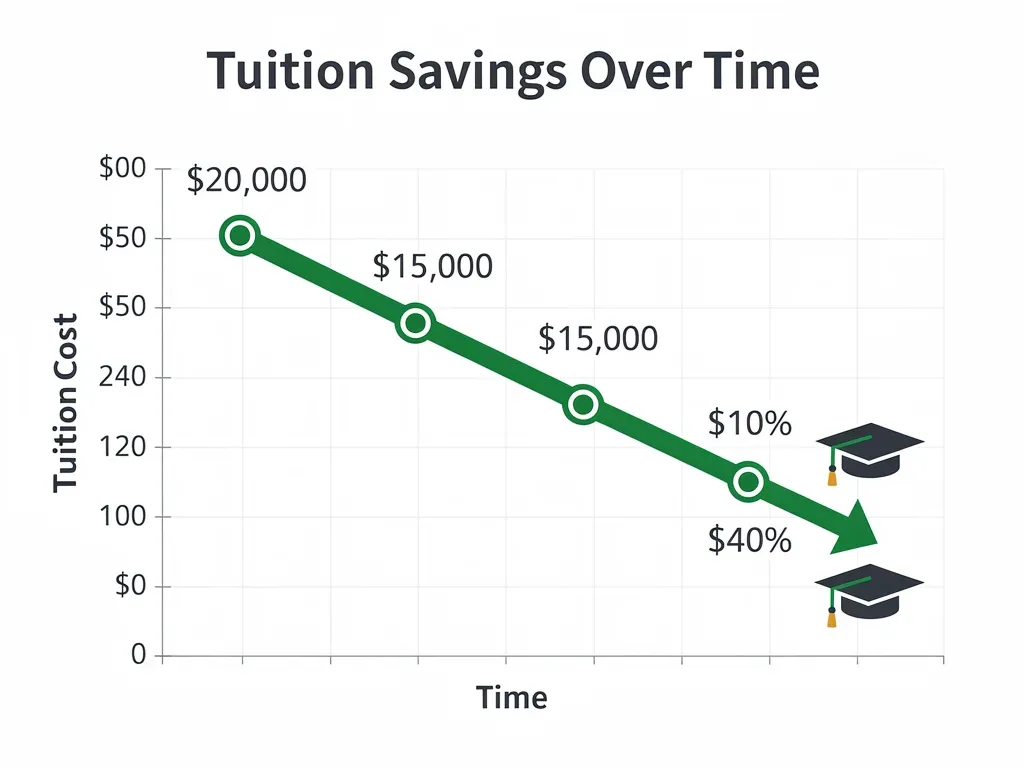
Students pursuing accelerated paths should meticulously verify how their financial aid packages will be adjusted for a shorter enrollment period. Some scholarships might not be fully transferable or might require a full four years of enrollment to be fully disbursed.
It is imperative for students to consult directly with their university's financial aid office to understand the specific implications for their individual aid eligibility. This proactive step ensures that the financial benefits of an accelerated degree are accurately calculated and understood.
Student Experience and Academic Demands
The academic intensity of 3-Year Bachelor Degrees presents a unique set of challenges and opportunities for students. While some thrive in the fast-paced environment, others may find the condensed schedule overwhelming, impacting their academic performance and overall college experience.
These programs typically demand a higher level of commitment and self-discipline, as students must absorb a significant amount of material in a shorter timeframe. The reduced number of elective courses also means less flexibility for exploring diverse academic interests or changing majors without extending the graduation timeline.
The social and personal development aspects of college life can also be affected by the accelerated pace. Students may have fewer opportunities for internships, leadership roles in student organizations, or building strong peer networks.
Balancing Rigor with Well-being
The rigorous nature of 3-Year Bachelor Degrees necessitates a strong focus on student well-being and support systems. Universities offering these programs must provide adequate academic advising, mental health support services, and resources to help students manage stress and maintain a healthy work-life balance.
Students often report feeling pressured to constantly perform at a high level, with little room for error or academic missteps. This sustained intensity can lead to burnout if not properly managed, potentially undermining the very benefits of an accelerated path.
Therefore, prospective students should critically assess their own learning style, resilience, and ability to thrive under pressure before committing to such a demanding program. A realistic self-assessment is crucial for success.
Opportunities for Internships and Extracurriculars
One common concern with 3-Year Bachelor Degrees is the potential reduction in opportunities for internships, co-ops, and extracurricular activities. These experiences are invaluable for career development, networking, and personal growth, yet they often require significant time commitments.
With a condensed academic calendar, students may find it challenging to fit in summer internships or dedicate substantial time to student organizations. Some universities offering accelerated programs have begun integrating experiential learning into the curriculum, but this is not universally available.
Prospective students should investigate how specific programs address these crucial developmental opportunities. Understanding how internships and extracurriculars are supported within the three-year framework is essential for a well-rounded education and strong career prospects.
Employer Perception and Career Prospects
The value of a 3-Year Bachelor Degree in the job market is a significant consideration for students. While the core academic content is often equivalent to a traditional four-year degree, employer perception and the implications for career advancement warrant careful examination.
In many industries, the focus is on the degree itself and the skills acquired, rather than the duration of study. However, some employers might initially be unfamiliar with accelerated degrees, potentially requiring students to articulate the rigor and comprehensive nature of their education.
Early entry into the workforce, a key benefit of these programs, can provide a head start in accumulating professional experience. This can be a substantial advantage, allowing graduates to begin their careers and build their professional networks sooner.
Market Acceptance of Accelerated Degrees
As 3-Year Bachelor Degrees become more common, employer acceptance is generally growing. Many companies prioritize demonstrated skills, relevant experience, and academic achievement over the exact length of time spent in college.
Graduates from accelerated programs often emphasize their ability to manage demanding workloads and their efficiency in completing their studies. This can be viewed positively by employers seeking highly motivated and results-oriented candidates.
However, it is advisable for students to research employer perceptions within their target industries and consider how they will articulate the value of their accelerated degree during job interviews. Networking and strong career services support can also play a crucial role.
Early Entry into the Workforce and Long-Term Earnings
One of the most tangible benefits of 3-Year Bachelor Degrees is the opportunity for earlier entry into the workforce. Graduating a year ahead of peers means starting to earn a salary and accumulate professional experience sooner, which can have significant long-term financial advantages.
This additional year of earnings can contribute substantially to overall lifetime income, potentially offsetting any perceived disadvantages. It also allows graduates to begin paying off student loans earlier, reducing interest accrual and overall debt burden.
While initial salaries might be similar to those of four-year graduates, the extra year of professional development can accelerate career progression. This early start provides a competitive edge in building a robust professional portfolio and climbing the career ladder.
Accreditation and Program Quality Assurance
Ensuring the quality and accreditation of 3-Year Bachelor Degrees is paramount for students. Just like traditional programs, accelerated degrees must meet rigorous academic standards and be recognized by reputable accrediting bodies to hold value in the academic and professional worlds.
Prospective students should verify that any accelerated program they consider is fully accredited by the appropriate regional or national accrediting agencies. This ensures that the degree will be recognized by employers, graduate schools, and professional licensing boards.
Beyond accreditation, examining the program's curriculum, faculty qualifications, and student outcomes can provide further assurance of quality. Reputable institutions are transparent about these aspects, allowing students to make informed decisions about their educational investment.
Verifying Institutional and Program Accreditation
Accreditation is a critical indicator of a program's quality and legitimacy. For 3-Year Bachelor Degrees, it is essential to confirm that both the institution and the specific program of study are accredited by recognized agencies.
Regional accreditation is typically considered the gold standard for universities in the United States, signifying a comprehensive review of the institution's academic quality, faculty, and student support services. Program-specific accreditation is also important for certain fields like engineering or nursing.
Students can usually find accreditation information on the university's website or by consulting databases maintained by the Council for Higher Education Accreditation (CHEA) or the U.S. Department of Education. This step should never be overlooked.
Maintaining Academic Standards in a Compressed Format
A key challenge for institutions offering 3-Year Bachelor Degrees is maintaining the same high academic standards as their traditional four-year counterparts. The compressed format requires careful curriculum design to ensure all essential learning outcomes are met.
Universities often achieve this by streamlining course content, eliminating redundancies, and focusing on core competencies. Faculty teaching in these programs may need to adapt their pedagogical approaches to suit the accelerated pace and intensive learning environment.
Regular program reviews and student feedback mechanisms are vital for ensuring ongoing quality assurance. These measures help to identify areas for improvement and confirm that the accelerated path provides an equivalent educational experience.
The Student Perspective: Success Stories and Challenges
The experiences of students enrolled in 3-Year Bachelor Degrees offer valuable insights into the practical realities of these programs. While many report satisfaction with their decision, citing financial benefits and earlier career entry, others highlight significant academic and personal challenges.
Success stories often feature highly motivated students with clear career goals who thrive in the intensive academic environment. They appreciate the efficiency and the head start it provides in their professional lives, often feeling well-prepared for their chosen fields.
Conversely, challenges frequently revolve around the demanding workload, limited time for extracurricular activities, and the pressure to maintain high academic performance. Some students also report feeling a sense of missing out on traditional college experiences.
Testimonials from Graduates and Current Students
Graduates of 3-Year Bachelor Degrees often speak positively about the financial relief and early career opportunities these programs afforded them. Many highlight the discipline and time management skills they developed as key to their success in both academics and subsequent employment.
Current students, while acknowledging the rigor, often express satisfaction with their choice, particularly if they entered the program with a clear understanding of its demands. They value the focused curriculum and the prospect of graduating sooner.
However, some testimonials also reveal struggles with burnout or the need for strong personal support networks. These accounts underscore the importance of self-awareness and thorough preparation before embarking on such an intensive academic journey.
Coping Mechanisms for Academic Intensity
Students in 3-Year Bachelor Degrees often develop effective coping mechanisms to manage the high academic intensity. These can include meticulous time management, prioritizing tasks, and forming strong study groups with peers.
Utilizing university resources such as academic advising, tutoring services, and writing centers becomes even more critical in an accelerated program. Proactive engagement with these support systems can make a significant difference in academic success and stress management.
Maintaining physical and mental health well-being through regular exercise, adequate sleep, and stress-reduction techniques is also crucial. Universities are increasingly recognizing the need to provide tailored support for students in these demanding programs.
Future Outlook for Accelerated Degrees
The landscape of higher education is continually evolving, and 3-Year Bachelor Degrees are likely to play an increasingly prominent role. As tuition costs continue to rise and the demand for skilled workers intensifies, accelerated pathways offer a compelling alternative for many students.
Universities are expected to refine their offerings, integrating more flexible structures, robust support services, and clear pathways for career integration. The aim is to make these programs more accessible and sustainable for a broader range of students without compromising academic quality.
Furthermore, the focus will likely shift towards greater transparency regarding financial implications, ensuring that the promise of tuition savings is consistently met and clearly communicated. This evolution will be driven by student demand and institutional innovation.
Expansion and Diversification of Programs
The trend towards 3-Year Bachelor Degrees is expected to continue, with more institutions across the United States exploring and implementing these programs. This expansion will likely include a wider range of disciplines, moving beyond traditionally accelerated fields.
We may see greater diversification in program models, with some offering more integrated internships or co-op experiences, and others providing hybrid online and in-person formats. This adaptability will cater to a broader spectrum of student needs and learning preferences.
The growth of these programs also presents an opportunity for universities to innovate in curriculum design, focusing on interdisciplinary approaches and skills-based learning that are highly valued by employers. This ensures relevance in a rapidly changing job market.
Policy and Regulatory Considerations
As 3-Year Bachelor Degrees gain traction, policy and regulatory bodies will increasingly play a role in shaping their future. This includes ensuring consistent accreditation standards, evaluating financial aid implications, and protecting student interests.
Discussions around federal financial aid eligibility for accelerated programs are ongoing, with calls for adjustments to better accommodate these non-traditional pathways. Clearer guidelines will help both institutions and students navigate the financial landscape more effectively.
Furthermore, state-level policies may emerge to encourage or regulate the development of these programs, aiming to enhance educational access and affordability while maintaining quality. These regulatory frameworks will be crucial for the sustainable growth of accelerated degrees.
| Key Aspect | Brief Description |
|---|---|
| Tuition Savings | Potential 25% savings often depend on hidden costs and financial aid adjustments. |
| Academic Rigor | Programs are intensive, requiring strong discipline and time management from students. |
| Career Impact | Early workforce entry is a key benefit, with growing employer acceptance. |
| Accreditation | Crucial for program validity; students must verify institutional and program accreditation. |
Frequently Asked Questions About 3-Year Bachelor Degrees
Are 3-Year Bachelor Degrees universally cheaper than 4-year degrees?▼Not always. While a year of tuition is saved, accelerated programs can incur higher per-credit fees, increased summer costs, and impact financial aid packages. Students must meticulously compare total costs for both options at their specific institution.
Do employers value a 3-Year Bachelor Degree as much as a 4-year degree?▼Generally, yes. Employers increasingly prioritize skills, experience, and academic achievement over the duration of study. However, graduates may need to effectively articulate the rigor and comprehensive nature of their accelerated education during job interviews.
Is the academic workload significantly harder in a 3-Year Bachelor Degree?▼Yes, the workload is typically more intensive and demanding. Students often take more credits per semester and may have fewer breaks, requiring strong time management and self-discipline to succeed in the compressed curriculum.
How do 3-Year Bachelor Degrees affect financial aid eligibility?▼Financial aid can be affected, as some scholarships and grants are structured for four-year programs. Students should consult their university's financial aid office to understand how their specific aid package will be adjusted for an accelerated degree path.
What are the main benefits of pursuing a 3-Year Bachelor Degree?▼The primary benefits include potential tuition savings, earlier entry into the workforce, and a head start on career development. It also demonstrates a student's ability to manage rigorous academic demands and achieve goals efficiently.
Impact and Implications
The ongoing evolution of 3-Year Bachelor Degrees signifies a critical response to the persistent challenges of college affordability and student debt. While the promise of 25% tuition savings is a powerful incentive, the true value proposition lies in a comprehensive understanding of financial nuances, academic demands, and career implications. As these programs continue to mature, greater transparency and robust support systems will be essential to ensure they consistently deliver on their potential, reshaping the future of higher education in the United States.