US Manufacturing 2026: 10% Production Increase Reshapes Economy
Advertisements
The latest developments on The State of US Manufacturing in 2026: A 10% Increase in Domestic Production Drives Economic Resurgence, with key facts, verified sources, and what readers need to monitor next in Estados Unidos, presented clearly in Inglês (Estados Unidos) (en-US).
The State of US Manufacturing in 2026: A 10% Increase in Domestic Production Drives Economic Resurgence is shaping today’s agenda with new details released by officials and industry sources. This update prioritizes what changed, why it matters, and what to watch next, in a straightforward news format.
Recent projections indicate a robust revitalization within the sector, pointing towards a significant shift in national economic priorities. This anticipated growth is not merely a statistical uptick but reflects deeper structural changes and strategic investments.
Understanding the 10% Domestic Production Surge
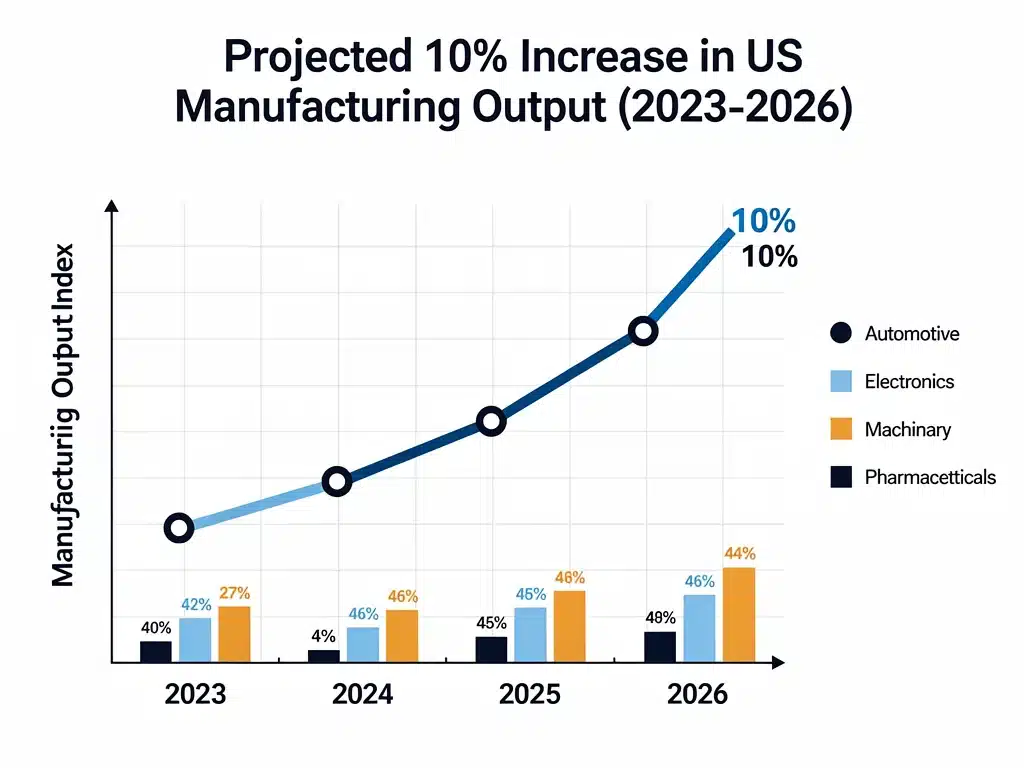
The projected 10% increase in domestic production by 2026 marks a pivotal moment for US economic policy and industrial capabilities. This forecast, derived from comprehensive economic analyses and industry reports, underscores a concerted effort to bolster national manufacturing resilience.
This growth is attributed to a confluence of factors, including targeted government incentives, a renewed focus on supply chain security, and significant private sector investments in advanced manufacturing technologies. The implications for job creation and technological innovation are substantial.
Experts suggest that this expansion will not be uniformly distributed across all sectors but will see particular acceleration in high-tech, defense, and green energy manufacturing. Understanding these nuances is crucial for grasping the full scope of this economic transformation.
Policy Frameworks Fueling Growth
Several legislative initiatives enacted over the past few years are now demonstrating their intended impact on The State of US Manufacturing in 2026: A 10% Increase in Domestic Production Drives Economic Resurgence. These policies aim to reduce reliance on foreign supply chains and incentivize onshore production.
Key legislation includes acts designed to fund semiconductor production, promote renewable energy component manufacturing, and provide tax credits for domestic R&D. These measures create a favorable environment for businesses to invest and expand within the US.
- The CHIPS and Science Act providing billions for semiconductor manufacturing.
- Inflation Reduction Act offering incentives for clean energy production.
- Defense Production Act utilized to secure critical materials and goods.
Technological Advancements and Automation
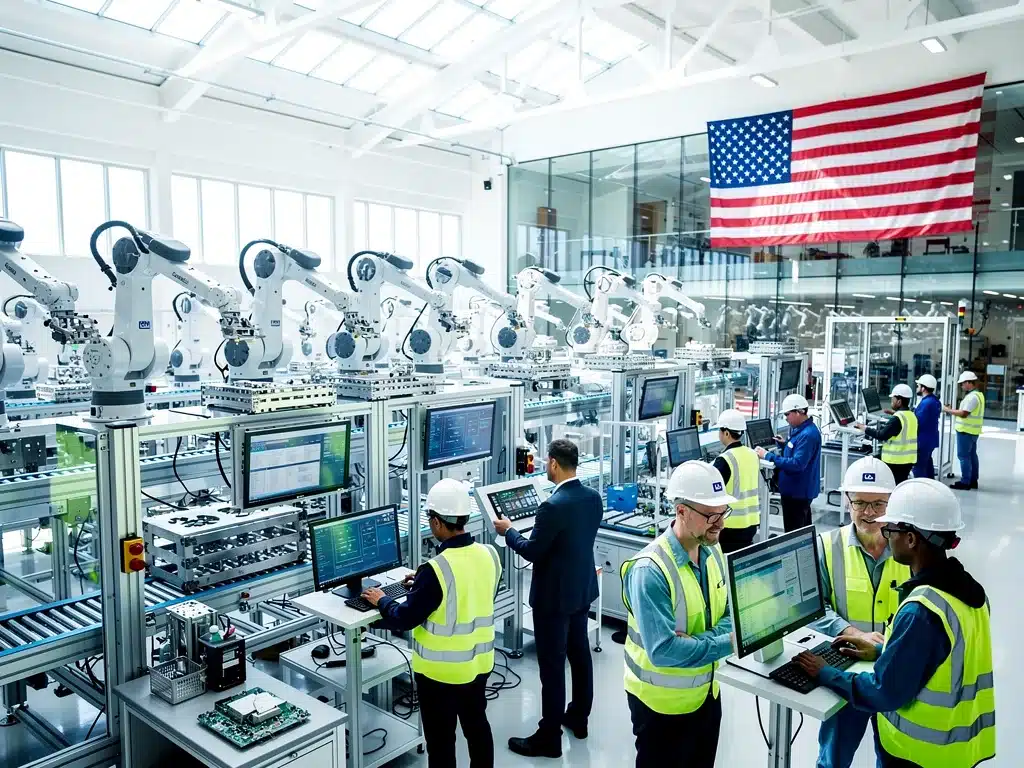
The embrace of advanced manufacturing technologies, such as automation, artificial intelligence, and robotics, is a critical driver behind the anticipated 10% increase. These innovations are enhancing efficiency, reducing production costs, and improving product quality.
Investment in smart factories and digital twin technologies is allowing manufacturers to optimize operations and respond more rapidly to market demands. This technological leap is making US production more competitive on a global scale.
The integration of these technologies also necessitates a skilled workforce, prompting significant investment in vocational training and STEM education. This ensures that the labor force can meet the evolving demands of modern manufacturing.
Economic Resurgence: Job Creation and GDP Impact
The projected 10% increase in domestic production is expected to translate into a substantial economic resurgence, characterized by significant job creation and a measurable boost to the national GDP. This growth is a direct outcome of increased industrial activity and investment.
Analysts predict that hundreds of thousands of new jobs will emerge across various manufacturing sectors, ranging from production line roles to engineering and R&D positions. This will provide broad economic benefits and strengthen local communities.
The ripple effect of this manufacturing boom extends beyond direct employment, stimulating growth in supporting industries such as logistics, raw materials, and advanced services. This comprehensive impact solidifies The State of US Manufacturing in 2026: A 10% Increase in Domestic Production Drives Economic Resurgence.
Regional Manufacturing Hubs Reinvigorated
Across the United States, existing manufacturing hubs are experiencing a revitalization, while new centers of production are emerging, particularly in areas focusing on specific niche industries. This geographical redistribution is a key aspect of the current industrial shift.
States like Arizona, Ohio, and North Carolina are seeing significant investments in semiconductor, electric vehicle, and clean energy manufacturing, respectively. These regions are becoming magnets for skilled labor and technological innovation.
This regional focus helps to diversify economic opportunities and build stronger, more resilient local economies. It also fosters a competitive environment among states vying for manufacturing investment.
Impact on Supply Chains and Global Trade
The emphasis on domestic production is fundamentally altering global supply chains, pushing for greater localization and diversification. Companies are recalibrating their strategies to reduce vulnerabilities exposed during recent global disruptions.
This strategic pivot means a decreased reliance on single-source suppliers and a greater emphasis on regional manufacturing networks. The aim is to create more robust and adaptable supply chains that can withstand future shocks.
From a global trade perspective, while the US is increasing domestic output, it does not necessarily signify a complete decoupling. Instead, it represents a rebalancing of trade relationships and a stronger negotiating position for American industries.
Challenges and Opportunities in 2026
While the outlook for The State of US Manufacturing in 2026: A 10% Increase in Domestic Production Drives Economic Resurgence is overwhelmingly positive, significant challenges remain. These include workforce development, infrastructure needs, and navigating complex geopolitical landscapes.
Addressing the skills gap is paramount, requiring ongoing investment in education and training programs to ensure a steady supply of qualified workers. Similarly, modernizing transportation and energy infrastructure is critical for sustained growth.
However, these challenges also present unique opportunities for innovation and strategic partnerships. Overcoming them will further solidify the US position as a global manufacturing leader.
Workforce Development and Skill Gaps
A critical challenge for sustaining the 10% domestic production increase is ensuring a sufficiently skilled workforce. The rapid evolution of manufacturing technologies demands new competencies, creating a persistent skills gap.
Initiatives such as apprenticeships, community college programs, and industry-led training are vital for upskilling and reskilling the American labor force. Public-private partnerships are proving effective in addressing these needs.
- Expansion of vocational training programs.
- Increased funding for STEM education at all levels.
- Industry collaboration to define future skill requirements.
Infrastructure Modernization and Energy Needs
The expansion of manufacturing capacity necessitates substantial improvements in national infrastructure, including upgraded transportation networks, enhanced energy grids, and robust digital connectivity. These are foundational to long-term industrial growth.
Investment in sustainable energy solutions is also crucial, not only to power new factories but also to meet environmental goals and reduce operational costs. The focus on green manufacturing aligns with broader national objectives.
Reliable and affordable energy is a competitive advantage, making investments in renewable sources and grid resilience essential for supporting the burgeoning manufacturing sector.
Investment Trends and Future Projections
Investment in US manufacturing is surging, with both domestic and international entities recognizing the strategic advantage of producing within the United States. This capital inflow is a testament to the confidence in The State of US Manufacturing in 2026: A 10% Increase in Domestic Production Drives Economic Resurgence.
Venture capital and private equity firms are increasingly targeting innovative manufacturing startups, particularly those in areas like advanced materials, biotechnology, and artificial intelligence applications in production. This fosters a dynamic ecosystem of growth.
Long-term projections indicate that this investment trend will continue, solidifying the US as a hub for high-value manufacturing and technological leadership. This sustained commitment is vital for maintaining momentum beyond 2026.
Emerging Sectors and Innovation Drivers
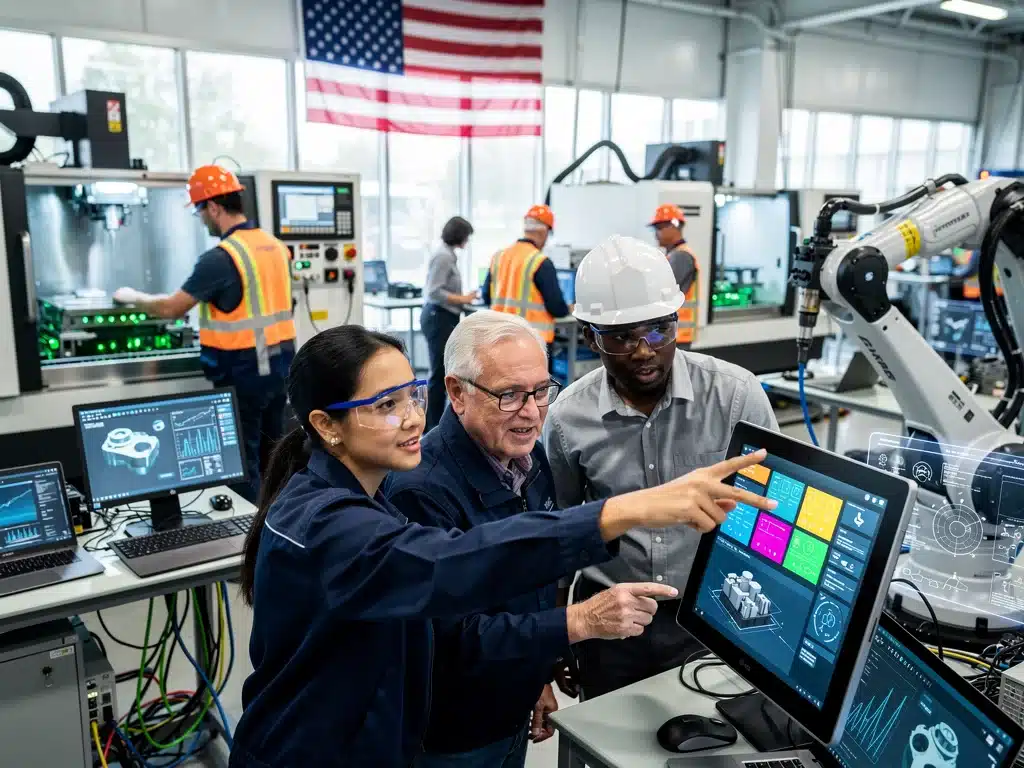
Beyond traditional strongholds, several emerging sectors are driving innovation and contributing significantly to the anticipated growth in US manufacturing. These include areas like quantum computing hardware, advanced battery production, and personalized medicine components.
Research and development play a crucial role, with universities and national labs collaborating closely with industry to bring groundbreaking innovations to market. This synergy accelerates the pace of technological advancement.
The focus on these high-growth, high-value sectors ensures that the US remains at the forefront of global technological competition and creates new avenues for economic prosperity.
Geopolitical Factors and Trade Policies
The evolving geopolitical landscape continues to shape trade policies and influence manufacturing investment decisions. National security concerns and the desire for economic sovereignty are powerful motivators for increasing domestic production.
Trade agreements and tariffs are being re-evaluated to ensure fair competition and protect domestic industries from unfair practices. This strategic approach aims to create a level playing field for US manufacturers.
The goal is to foster an environment where American companies can thrive, contribute to national security, and drive economic growth, all while navigating complex international relations.
Environmental and Sustainability Commitments
As The State of US Manufacturing in 2026: A 10% Increase in Domestic Production Drives Economic Resurgence takes hold, there is a growing emphasis on environmental sustainability and responsible production practices. Manufacturers are increasingly adopting eco-friendly processes and materials.
This commitment extends to reducing carbon footprints, minimizing waste, and investing in circular economy initiatives. Sustainability is no longer just a regulatory requirement but a competitive advantage and a core business value.
Consumers and investors are increasingly demanding sustainable products and practices, pushing companies to integrate environmental considerations throughout their operations and supply chains.
Green Manufacturing Initiatives
Green manufacturing initiatives are central to the future growth of the US industrial sector, focusing on energy efficiency, waste reduction, and the use of renewable resources. These practices are becoming standard across various industries.
Companies are investing in technologies that reduce emissions and conserve resources, leading to both environmental benefits and operational cost savings. This dual benefit makes green practices highly attractive.
- Adoption of renewable energy sources for factory operations.
- Implementation of advanced waste recycling and reduction programs.
- Development of eco-friendly product designs and materials.
Circular Economy Integration
The integration of circular economy principles is gaining traction within US manufacturing, moving away from a linear ‘take-make-dispose’ model. This involves designing products for longevity, reusability, and recyclability.
Manufacturers are exploring new business models that emphasize product-as-a-service and closed-loop material flows. This reduces reliance on virgin resources and minimizes environmental impact.
This shift represents a fundamental change in how products are conceived, produced, and consumed, creating new opportunities for innovation and sustainable growth within the manufacturing sector.
The Role of Government and Public-Private Partnerships
The success of the 10% increase in domestic production hinges significantly on continued government support and the strength of public-private partnerships. These collaborations are crucial for aligning national objectives with industry capabilities.
Government agencies are providing essential funding, regulatory frameworks, and strategic guidance to foster a conducive environment for manufacturing growth. This includes support for R&D and workforce training programs.
Public-private partnerships facilitate the sharing of resources, expertise, and risks, accelerating innovation and ensuring that the benefits of manufacturing resurgence are widely distributed across the nation.
| Key Point | Brief Description |
|---|---|
| 10% Production Increase | Projected growth in US domestic manufacturing by 2026, driven by policy and investment. |
| Economic Resurgence | Significant job creation and GDP boost expected from increased industrial activity. |
| Policy & Technology Drivers | Government incentives and advanced automation are key catalysts for growth. |
| Workforce & Infrastructure | Addressing skill gaps and modernizing infrastructure are crucial for sustained momentum. |
Frequently Asked Questions About US Manufacturing in 2026
The 10% increase signifies a robust revitalization of US manufacturing, moving towards greater self-sufficiency and economic resilience. It reflects successful policy implementation and significant private sector investment in national production capabilities, contributing to The State of US Manufacturing in 2026: A 10% Increase in Domestic Production Drives Economic Resurgence.
Growth is primarily driven by high-tech industries such as semiconductors, electric vehicles, renewable energy components, and defense manufacturing. These sectors benefit from targeted government incentives and a strategic focus on national security and technological leadership, bolstering The State of US Manufacturing in 2026: A 10% Increase in Domestic Production Drives Economic Resurgence.
This increase is expected to create hundreds of thousands of new jobs across various skill levels, from production to advanced engineering. It will also stimulate growth in supporting industries, providing broad economic benefits and strengthening local communities, a key aspect of The State of US Manufacturing in 2026: A 10% Increase in Domestic Production Drives Economic Resurgence.
Key challenges include bridging the skills gap through workforce development programs and modernizing national infrastructure, including energy grids and transportation. Addressing these effectively is crucial for maintaining the momentum of the manufacturing resurgence and ensuring the long-term health of The State of US Manufacturing in 2026: A 10% Increase in Domestic Production Drives Economic Resurgence.
Sustainability is a core component, with increasing adoption of eco-friendly practices, waste reduction, and renewable energy sources. This commitment aligns with environmental goals and consumer demand, enhancing the competitiveness and long-term viability of The State of US Manufacturing in 2026: A 10% Increase in Domestic Production Drives Economic Resurgence.
Looking Ahead: Sustaining the Momentum
The anticipated 10% increase in domestic production by 2026 represents a critical inflection point for US manufacturing. Sustaining this momentum will require continued strategic investment, adaptive workforce development, and robust infrastructure upgrades. The commitment to innovation, particularly in green technologies and advanced automation, will further solidify the nation’s position as a global industrial leader.
Monitoring policy effectiveness, global trade dynamics, and technological advancements will be crucial to understand the evolving landscape. The resurgence of US manufacturing is not merely a short-term economic boost but a long-term strategic reorientation, promising lasting impacts on economic stability and national competitiveness.
The ongoing dialogue between government, industry, and educational institutions will be essential to navigate future challenges and capitalize on emerging opportunities, ensuring that The State of US Manufacturing in 2026: A 10% Increase in Domestic Production Drives Economic Resurgence remains a powerful engine for national prosperity.