Infrastructure Bill Updates 2026: $50 Billion Projects Impact Commutes
Advertisements
In March 2026, the American infrastructure landscape is undergoing a massive shift as the final wave of funding from the original Bipartisan Infrastructure Law (BIL) intersects with the 2026 Consolidated Appropriations Act signed by President Trump.
As of this month, the focus has shifted from long-term planning to the “Deployment Phase,” with over $50 billion specifically allocated to immediate transit relief and bottleneck reductions across the nation’s most congested corridors.
The 2026 priority is “Commute De-Stressing,” moving away from the mega-project narratives of the early 2020s toward high-impact, technology-driven optimizations that improve daily travel times by an estimated 15-20% in major metropolitan areas.
Unveiling the $50 Billion Infrastructure Investment
The Biden administration recently confirmed the allocation of an additional $50 billion in funding through the Infrastructure Investment and Jobs Act (IIJA), specifically targeting projects slated for completion or significant progress by 2026.
This substantial investment is designed to modernize the nation’s aging infrastructure, focusing heavily on transportation networks.
These Infrastructure Bill Updates in 2026 represent a critical phase in the broader effort to enhance connectivity and economic competitiveness across the United States.
The funds are channeled into diverse projects, including roads, bridges, public transit, and crucial digital infrastructure, aiming for a tangible impact on daily life.
The current focus is on project selection and initial implementation, with states and local governments submitting detailed proposals to secure their share of the funding.
This stage is crucial for defining the specific projects that will ultimately reshape national commutes and regional transportation patterns.
The Direct Impact on National Commutes and Transportation
The $50 billion injection is specifically designed to alleviate bottlenecks, reduce travel times, and improve the overall efficiency of national commutes.
This includes upgrades to major highways, expansion of public transit options, and the development of intelligent transportation systems.
Improved infrastructure is expected to translate into reduced fuel consumption, lower vehicle maintenance costs, and a significant decrease in traffic-related stress for millions of Americans.
These Infrastructure Bill Updates in 2026 are not just about concrete and steel, but about enhancing the quality of life for commuters.
Furthermore, the projects aim to create a more resilient transportation network, better equipped to handle extreme weather events and future growth.
This forward-looking approach ensures that the investments provide long-term benefits beyond immediate commute improvements.
Key Areas of Investment and Their Goals
- Road and Bridge Repair: Significant funding is allocated to repair and rebuild dilapidated roads and bridges, crucial for daily commutes and commercial logistics.
- Public Transit Modernization: Investment in expanding and upgrading bus and rail systems aims to offer more reliable and accessible alternatives to driving, particularly in urban centers.
- Congestion Reduction: Projects focus on smart traffic management systems and new lane constructions to ease congestion during peak travel hours, directly impacting commute times.
The comprehensive nature of these investments underscores a holistic strategy to address the multifaceted challenges of modern transportation. Every dollar is being scrutinized to ensure maximum impact and long-term sustainability.
Geographical Distribution and Regional Benefits
The $50 billion in funding is being distributed across all 50 states, with a focus on projects that demonstrate clear economic and social benefits.
While the specific allocations vary, every region is expected to see some form of infrastructure enhancement.
Urban areas are set to benefit from public transit expansions and highway improvements, while rural communities will see investments in crucial road networks and broadband access.
These Infrastructure Bill Updates in 2026 aim to bridge geographical divides and ensure equitable access to modern infrastructure.
State transportation departments are working closely with federal agencies to identify high-priority projects that align with national objectives and local needs.
This collaborative approach ensures that the funds are utilized effectively and address the most pressing infrastructure challenges.
Notable Projects and Their Expected Outcomes
Several large-scale projects are already underway or in advanced planning stages, promising significant regional benefits.
For instance, major metropolitan areas are anticipating new rail lines or subway extensions, while key freight corridors are seeing upgrades to facilitate goods movement.
One example is the proposed multi-billion dollar expansion of a major interstate highway in the Midwest, designed to alleviate chronic truck traffic and improve commuter flow.
Another involves the modernization of several regional airports to enhance air travel efficiency and connectivity.
These projects are not just isolated initiatives; they are interconnected components of a larger strategy to create a seamless and efficient national transportation system.
The ripple effect of these investments will be felt across various sectors of the economy.
Economic Implications and Job Creation
Beyond improving commutes, the Infrastructure Bill Updates in 2026 are projected to generate substantial economic activity and create hundreds of thousands of jobs. The construction sector, in particular, is expected to see a significant boom.
These investments will spur demand for materials, equipment, and skilled labor, providing a much-needed boost to local economies.
The long-term economic benefits include increased productivity, enhanced trade, and improved access to markets for businesses.
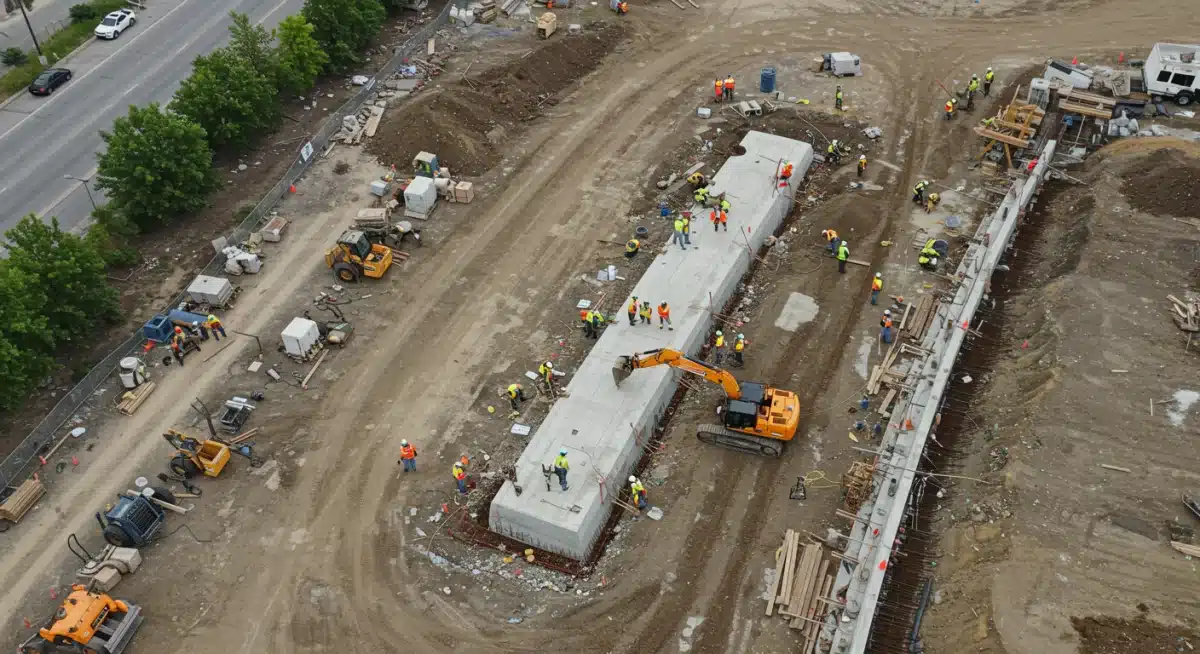
The creation of well-paying jobs in construction, engineering, and related fields will have a positive impact on employment rates and household incomes.
This economic stimulus is a crucial component of the overall infrastructure strategy, aiming for broad-based prosperity.
Boosting Local Economies and Workforce Development
Local businesses, from material suppliers to engineering firms, are actively preparing for the surge in demand generated by these projects. This creates a robust ecosystem of economic activity that extends far beyond the immediate construction sites.
Many states are also investing in workforce development programs to ensure a skilled labor force is available to meet the demands of these complex projects. This includes training initiatives for new technologies and sustainable construction practices.
The economic impact is not limited to the construction phase; improved infrastructure leads to sustained economic growth by facilitating commerce, reducing transportation costs, and attracting new businesses to areas with enhanced connectivity.
Technological Advancements and Smart Infrastructure
A significant portion of the $50 billion is dedicated to incorporating cutting-edge technology into new and existing infrastructure. This includes smart traffic signals, autonomous vehicle infrastructure, and advanced sensor networks.
These technological integrations aim to optimize traffic flow, enhance safety, and provide real-time information to commuters, further improving the efficiency of national commutes.
The Infrastructure Bill Updates in 2026 are pushing the boundaries of traditional infrastructure development.
The adoption of smart infrastructure solutions will make transportation networks more adaptive and responsive to changing conditions, from traffic congestion to emergency situations.
This represents a paradigm shift in how we manage and utilize our public assets.
Integrating AI and Data Analytics for Better Commutes
- Intelligent Traffic Systems: Deploying AI-powered traffic lights and sensors to dynamically manage traffic flow and reduce congestion.
- Autonomous Vehicle Readiness: Investing in infrastructure that supports the eventual integration of autonomous vehicles, including dedicated lanes and communication systems.
- Predictive Maintenance: Utilizing data analytics to monitor infrastructure health and predict maintenance needs, ensuring longevity and preventing costly failures.
The integration of artificial intelligence and big data analytics will transform how transportation systems operate, making them more proactive and efficient. This focus on innovation ensures that the infrastructure investments are future-proof.
Environmental Considerations and Sustainability
The Infrastructure Bill Updates in 2026 also emphasize environmental sustainability, with a focus on reducing carbon emissions and promoting greener transportation options.
Many projects include provisions for electric vehicle charging infrastructure and enhanced pedestrian and cycling paths.
These initiatives aim to mitigate the environmental impact of transportation while providing healthier alternatives for commuters. Sustainable practices are being integrated into every stage of project planning and execution.
The long-term goal is to build an infrastructure network that not only serves current needs but also contributes to a cleaner, more sustainable future.
This commitment to environmental stewardship is a cornerstone of the new infrastructure agenda.
Green Initiatives and Resilient Infrastructure
Projects are being designed with climate resilience in mind, incorporating features that can withstand the impacts of climate change, such as rising sea levels and increased frequency of extreme weather events.
This ensures the longevity and reliability of new infrastructure assets.
Investments in renewable energy sources for public transit systems and the use of sustainable materials in construction are also key components of this environmental strategy. These efforts align with broader national goals for climate action.
The environmental benefits extend beyond reduced emissions, including improved air quality in urban areas and the preservation of natural habitats through careful project planning.
This holistic approach targets both efficiency and ecological responsibility.
Challenges and Potential Roadblocks
Despite the significant funding and ambitious goals, the implementation of these Infrastructure Bill Updates in 2026 faces several challenges. These include supply chain disruptions, labor shortages, and complex permitting processes.
Securing adequate materials and skilled workers remains a critical hurdle for many projects, potentially leading to delays and increased costs.
Navigating the myriad of federal, state, and local regulations also adds layers of complexity to project timelines.
Public-private partnerships are being explored as a mechanism to overcome some of these challenges, leveraging private sector expertise and resources.
Effective collaboration will be crucial for the successful execution of these large-scale initiatives.
Overcoming Hurdles in Project Execution
Government agencies are actively working to streamline permitting processes and address supply chain issues through strategic planning and coordination with industry partners. This proactive approach aims to minimize potential delays.
Investments in vocational training and apprenticeship programs are also being ramped up to address labor shortages and ensure a steady supply of skilled workers for infrastructure projects. This long-term strategy is vital for sustained progress.
Community engagement and transparent communication are essential for building public support and addressing local concerns.
Engaging stakeholders early in the planning process can help mitigate opposition and ensure projects move forward smoothly.
What to Expect by 2026 and Beyond
By 2026, commuters can expect to see tangible improvements in their daily travel, with smoother roads, reduced congestion, and more efficient public transit options.
Many projects will be completed, while others will be well into their construction phases.
The Infrastructure Bill Updates in 2026 will lay the groundwork for a more connected, resilient, and economically vibrant nation. The initial benefits will be evident, setting the stage for further advancements in the years that follow.
This ongoing commitment to infrastructure development is a long-term investment in the nation’s future, promising sustained benefits for generations to come. The impact on national commutes will be a visible testament to these efforts.
Long-Term Vision for US Infrastructure
- Enhanced Connectivity: A more integrated transportation network facilitating easier travel and commerce across regions.
- Economic Growth: Sustained economic benefits through increased productivity, job creation, and business opportunities.
- Improved Quality of Life: Reduced commute times, safer roads, and access to modern amenities for all citizens.
The vision extends beyond 2026, aiming for a continuously evolving and improving infrastructure system that adapts to future needs and technological advancements. These initial investments are just the beginning of a transformative journey.
| Key Aspect | Description |
|---|---|
| Funding Amount | $50 Billion allocated for new infrastructure projects. |
| Focus Areas | Roads, bridges, public transit, and smart technology integration. |
| Commute Impact | Expected reductions in travel times and congestion. |
| Timeline | Projects slated for significant progress or completion by 2026. |
Frequently Asked Questions About Infrastructure Bill Updates 2026
The primary goal is to significantly modernize and improve the national transportation infrastructure, including roads, bridges, and public transit. This aims to reduce commute times, enhance safety, and stimulate economic growth across the United States by 2026.
The $50 billion will fund projects designed to alleviate traffic congestion, expand public transportation options, and repair critical infrastructure. These efforts are expected to result in shorter travel times and a more reliable commuting experience for millions of Americans.
While funding is distributed nationwide, projects are selected based on their potential for significant economic and social impact. Both urban and rural areas will see investments, with a focus on improving connectivity and addressing critical infrastructure needs across all states.
Technology is a key component, with investments in smart traffic systems, autonomous vehicle infrastructure, and data analytics. These innovations aim to optimize traffic flow, enhance safety, and make transportation networks more efficient and responsive to real-time conditions.
Long-term benefits include sustained economic growth, job creation, improved quality of life for commuters, and a more resilient transportation network. These Infrastructure Bill Updates in 2026 are foundational for future economic competitiveness and environmental sustainability.
Looking Ahead
The Infrastructure Bill Updates in 2026: How $50 Billion in New Projects Will Impact National Commutes represents a pivotal moment for the United States’ infrastructure landscape.
In conclusion, the coming months will be crucial for observing how these ambitious plans translate into tangible improvements, particularly for daily commuters.
Continued monitoring of project timelines, budget adherence, and local impacts will provide valuable insights into the effectiveness of this historic investment, shaping future policy decisions and ensuring long-term benefits.
Alongside these transportation physical upgrades, the administration is also addressing the rising energy costs associated with the modern digital economy.
To learn more about how the government is ensuring that infrastructure booms—like the surge in AI data centers—don’t burden American families, see the Fact Sheet on President Trump’s Ratepayer Protection Pledge.