Cut 30 Credit Hours: CLEP Exam Strategy Guide
Advertisements

This article outlines a practical, step-by-step strategy to cut 30 credit hours from an undergraduate degree using CLEP exams. It provides actionable insights, verified information, and contextual analysis for students seeking to accelerate their academic journey and reduce costs effectively.
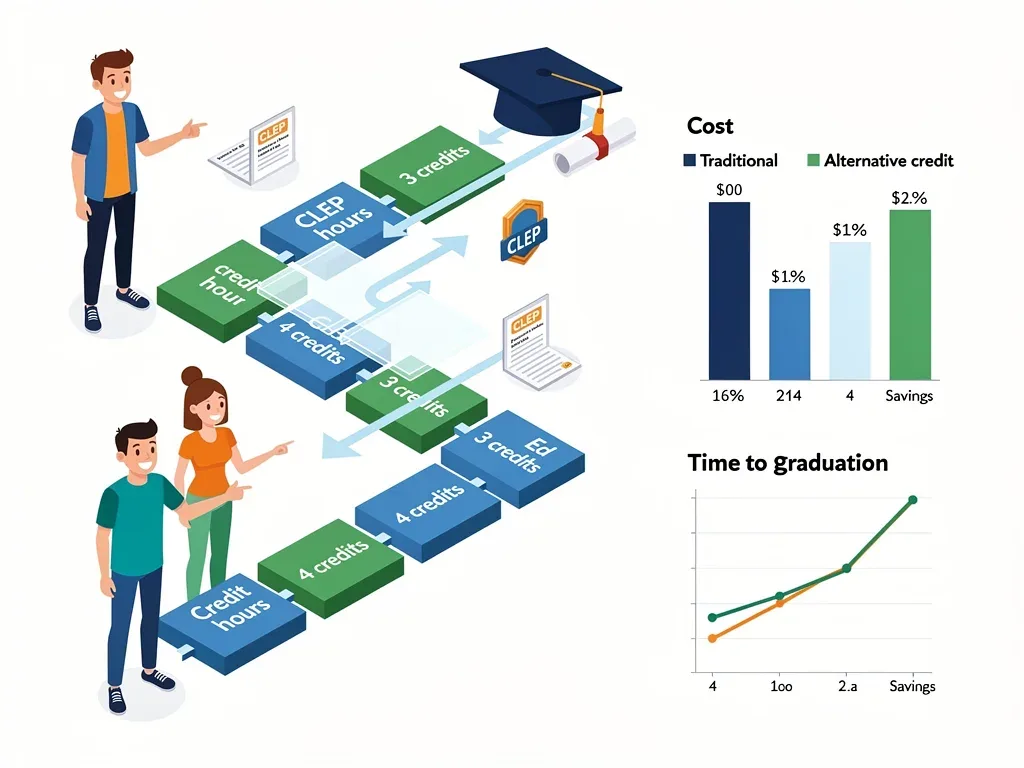
A Step-by-Step Strategy to Cut 30 Credit Hours Off an Undergraduate Degree Using CLEP Exams is emerging as a critical approach for students aiming to optimize their higher education journey. This strategy allows for significant savings in both time and tuition costs, directly addressing the rising expenses associated with traditional degree paths.
Understanding how to effectively leverage CLEP exams is paramount for those looking to graduate faster and with less debt. This detailed guide offers a comprehensive look at the process, ensuring students can confidently navigate the system and achieve their academic goals efficiently.
The current educational landscape demands innovative solutions, and the CLEP Credit Hour Strategy stands out as a proven method. By converting prior learning into college credits, students gain a competitive edge, enabling them to focus on advanced coursework sooner.
Understanding CLEP Exams and Their Value
The College-Level Examination Program (CLEP) offers students the opportunity to earn college credit for knowledge acquired outside the traditional classroom. These exams cover a wide range of subjects, allowing individuals to demonstrate proficiency in introductory-level college courses.
For many, CLEP exams represent a significant pathway to accelerate their degree completion, translating directly into reduced tuition fees and quicker entry into their chosen careers. The value proposition is clear: save time, save money, and gain a head start.
Institutions across the United States recognize CLEP scores, making them a versatile tool for students enrolled in diverse academic programs. This widespread acceptance underscores the credibility and utility of the CLEP Credit Hour Strategy.
What is a CLEP Exam?
A CLEP exam is a standardized test, administered by the College Board, designed to assess college-level knowledge in specific subjects. Passing these exams can grant students college credit without having to enroll in the corresponding course.
Each exam typically lasts 90 minutes and is computer-based, providing immediate score reports for most subjects. The convenience and efficiency of this testing format make it an attractive option for motivated students.
The range of subjects available through CLEP is extensive, covering areas such as history, literature, mathematics, science, and foreign languages. This breadth ensures that many students can find relevant exams to align with their degree requirements.
Benefits of Using CLEP for Credit Hours
Utilizing CLEP exams offers numerous advantages, primarily focused on financial savings and accelerated degree completion. Students can bypass costly introductory courses, directly impacting their overall educational expenses.
Beyond cost, the ability to earn credits faster means students can enter the workforce sooner or pursue advanced degrees without unnecessary delays. This efficiency is a cornerstone of the CLEP Credit Hour Strategy.
Furthermore, CLEP exams provide flexibility, allowing students to study at their own pace and test when they feel prepared. This self-directed approach caters to various learning styles and schedules.
- Significant tuition cost reduction.
- Faster degree completion.
- Flexibility in study and testing schedules.
- Opportunity to focus on advanced coursework.
Developing Your CLEP Credit Hour Strategy
Crafting an effective CLEP Credit Hour Strategy requires careful planning and a clear understanding of your academic goals. The initial step involves identifying which courses are eligible for CLEP credit at your specific institution.
This foundational research ensures that the time and effort invested in preparing for exams will directly contribute to your degree requirements. A well-defined strategy is the key to maximizing the benefits of CLEP.
Without proper alignment between CLEP exams and your degree plan, efforts could be wasted. Therefore, consult with academic advisors early in the process to confirm credit applicability.
Consulting with Your Academic Advisor
Engaging with an academic advisor is a crucial step in developing a robust CLEP Credit Hour Strategy. Advisors can provide invaluable insights into your university's specific policies regarding CLEP credits.
They can help you identify which CLEP exams align with your major and general education requirements, preventing any missteps. This consultation ensures that every CLEP credit earned is a step closer to your degree.
Advisors also often have access to lists of recommended CLEP exams for various programs, streamlining your selection process. Their expertise is indispensable for a successful strategy.
Identifying Eligible Courses for CLEP Credit
Once you have consulted with your advisor, the next phase involves meticulously identifying specific courses that can be satisfied by CLEP exams. This requires reviewing your degree plan and cross-referencing it with your college's CLEP policy.
Many universities publish detailed charts outlining which CLEP exams they accept and the minimum score required for credit. These resources are vital for building your personalized CLEP Credit Hour Strategy.
Prioritize subjects where you already possess a strong foundation of knowledge, as this will reduce study time and increase your chances of success. Focusing on these areas makes the process more efficient.
Preparing for Your CLEP Exams
Effective preparation is the cornerstone of a successful CLEP Credit Hour Strategy. While CLEP exams assess college-level knowledge, dedicated study is still necessary to achieve passing scores and secure credits.
There are numerous resources available to aid in your preparation, ranging from official study guides to online courses and practice tests. Utilizing these tools wisely will significantly enhance your chances of success.
A structured study plan, tailored to your learning style and the specific exam content, is essential. Consistent effort and strategic resource allocation will lead to the desired outcomes.
Utilizing Official CLEP Study Guides
The College Board, the administrator of CLEP exams, offers official study guides that are indispensable resources for preparation. These guides provide detailed content outlines, sample questions, and test-taking tips.
They are designed to give you an accurate representation of what to expect on the actual exam, making them a primary tool in your CLEP Credit Hour Strategy. Investing in these guides is a wise decision for serious test-takers.
Reviewing the official materials helps you understand the format, question types, and depth of knowledge required for each specific exam. This insight is critical for targeted and efficient study.
Leveraging Online Resources and Practice Tests
Beyond official guides, a wealth of online resources and practice tests can bolster your CLEP preparation. Websites like Khan Academy, Modern States Education Alliance, and various test prep platforms offer free and paid materials.
Practice tests are particularly valuable as they simulate the exam environment and help you identify areas where further study is needed. Incorporating these into your routine is a key component of your CLEP Credit Hour Strategy.
Many online platforms also offer video lectures, flashcards, and forums where you can connect with other students. This community aspect can provide additional support and motivation throughout your study process.
- Modern States offers free courses and vouchers.
- Khan Academy provides foundational knowledge.
- Specific test prep sites simulate exam conditions.
- Flashcards and study apps reinforce learning.
Registering and Taking Your CLEP Exams
Once your preparation is complete, the next phase of your CLEP Credit Hour Strategy involves registering for and taking the exams. This process requires attention to detail to ensure a smooth testing experience.
Understanding the registration steps, locating testing centers, and being aware of the fees involved are all crucial elements. Proper planning at this stage will prevent any last-minute complications.
Ensure you allow ample time for registration and scheduling, especially during peak testing periods, to secure your preferred date and location.
The Registration Process
Registering for a CLEP exam involves two primary steps: purchasing the exam through the College Board website and then scheduling your test at a local testing center. These steps must be completed sequentially.
The College Board fee covers the cost of the exam itself, while testing centers typically charge a separate administration fee. Be sure to budget for both components when planning your CLEP Credit Hour Strategy.
When registering, you will also designate the institution where you want your scores sent. This direct reporting streamlines the credit articulation process with your university.
What to Expect on Test Day
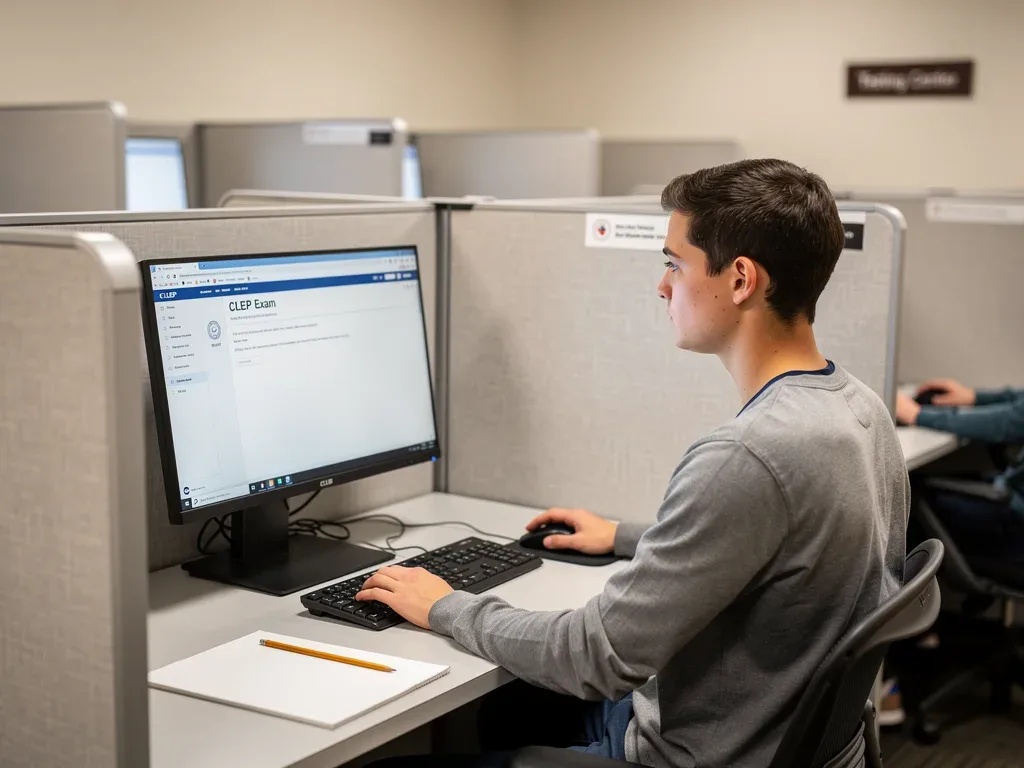
On test day, arrive early at the testing center with a valid government-issued ID and any required registration confirmations. The environment is typically quiet and proctored, designed to ensure a fair testing experience.
Most CLEP exams are computer-based, and for many, you will receive your unofficial score immediately upon completion. This instant feedback can be incredibly motivating and a key part of your CLEP Credit Hour Strategy.
Familiarize yourself with the testing center's rules and regulations beforehand to avoid any surprises. A calm and prepared mindset is essential for optimal performance.
Maximizing Your Credit Hour Savings
To truly maximize the impact of your CLEP Credit Hour Strategy, it is important to think beyond just passing exams. Strategic selection of exams and understanding your degree requirements deeply can unlock even greater savings.
Focusing on exams that fulfill multiple degree requirements, such as both general education and major prerequisites, provides a more efficient path. This approach amplifies the benefits of each successful exam.
Continuously reassess your degree plan and CLEP options as you progress, adapting your strategy to any changes in academic policies or personal goals. Flexibility is key to sustained success.
Strategic Exam Selection
Choosing the right CLEP exams is a critical component of maximizing your credit hour savings. Prioritize exams that satisfy the highest number of credits or those that open doors to more advanced coursework.
For instance, an exam that fulfills a general education requirement and also serves as a prerequisite for a higher-level course in your major offers double the benefit. This strategic selection is central to a robust CLEP Credit Hour Strategy.
Consider your strengths and interests; selecting exams in subjects you already excel in will increase your chances of passing and reduce the overall study burden. This makes the process more enjoyable and efficient.
Integrating CLEP into Your Degree Plan
Seamlessly integrating CLEP credits into your overall degree plan is essential for a smooth academic progression. This involves regular communication with your academic advisor to ensure credits are properly posted and applied.
Confirm that the CLEP credits are reflected on your transcript and that they are counting towards your degree requirements as intended. This verification step is vital to the success of your CLEP Credit Hour Strategy.
By proactively managing the integration of CLEP credits, you can avoid potential delays or discrepancies, ensuring that your accelerated path to graduation remains on track. This proactive approach saves time and reduces stress.
Addressing Common Challenges and Misconceptions
While a Step-by-Step Strategy to Cut 30 Credit Hours Off an Undergraduate Degree Using CLEP Exams offers significant advantages, students often encounter challenges and hold misconceptions. Addressing these proactively is crucial for success.
Common concerns include questions about exam difficulty, acceptance policies at different institutions, and the impact of CLEP credits on GPA. Clarifying these points ensures a smoother journey for test-takers.
Dispelling myths and providing accurate information empowers students to make informed decisions and fully embrace the benefits of CLEP. This transparency fosters confidence in the process.
Overcoming Exam Anxiety
Exam anxiety is a common hurdle, but it can be managed effectively through preparation and specific strategies. Adequate study, practice tests, and familiarization with the exam format can significantly reduce stress.
Techniques such as deep breathing, positive visualization, and getting sufficient rest before the exam day also contribute to a calmer mindset. A composed approach is integral to your CLEP Credit Hour Strategy.
Remember that the goal is to demonstrate your existing knowledge, not to learn entirely new material under pressure. Trust in your preparation and focus on one question at a time.
Navigating University Policies and Transfer Credits
University policies regarding CLEP credits can vary significantly, leading to confusion if not properly researched. Some institutions have limits on the total number of CLEP credits accepted, or specific score requirements.
It is imperative to obtain written confirmation from your university regarding their CLEP acceptance policies before investing time and money in exams. This documentation is a safeguard for your CLEP Credit Hour Strategy.
Understanding how CLEP credits appear on your transcript and whether they affect your GPA (they typically do not, as they are credit-only) is also important for future academic or career planning. Clarity here is vital.
The Long-Term Impact of a CLEP Credit Hour Strategy
Implementing a successful CLEP Credit Hour Strategy extends its benefits far beyond immediate credit accumulation. The long-term impact includes significant financial savings, reduced student loan debt, and an accelerated career start.
By graduating earlier, students gain a head start in their professional fields, accumulating valuable work experience and earning potential sooner. This strategic advantage is a powerful outcome of leveraging CLEP exams effectively.
Furthermore, the experience of self-directed learning and successful exam completion builds confidence and discipline, skills that are invaluable in both academic and professional pursuits. It’s an investment in your future.
Financial Benefits and Debt Reduction
One of the most compelling long-term impacts of a CLEP Credit Hour Strategy is the substantial financial benefit. By cutting 30 credit hours, students can save thousands of dollars in tuition and fees.
This reduction in educational costs directly translates into less reliance on student loans, leading to lower debt burdens upon graduation. Avoiding significant debt is a major advantage in today's economy.
The money saved can be redirected towards other investments, such as career development, further education, or personal savings. This financial prudence sets a strong foundation for post-graduation life.
Accelerated Career Start and Professional Growth
Graduating ahead of schedule due to a well-executed CLEP Credit Hour Strategy provides a distinct advantage in the job market. Early entry into your chosen profession means more time for career growth and advancement.
Employers often value candidates who demonstrate initiative and efficiency, qualities directly showcased by successful CLEP utilization. This can lead to earlier promotions and increased earning capacity.
The ability to quickly earn a degree also frees up time to pursue internships, certifications, or other experiences that enhance your professional profile. This holistic approach to career readiness is a powerful outcome.
Case Studies: Realizing the CLEP Advantage
Examining real-world examples illustrates the tangible benefits of a Step-by-Step Strategy to Cut 30 Credit Hours Off an Undergraduate Degree Using CLEP Exams. These case studies highlight how diverse students have successfully leveraged CLEP to achieve their academic and financial goals.
From working adults balancing careers with education to traditional students seeking to minimize college costs, the CLEP advantage is evident across various demographics. Their stories provide inspiration and practical insights for prospective test-takers.
These examples demonstrate that with proper planning and execution, cutting a significant number of credit hours is not only possible but also a highly effective strategy for academic acceleration and financial relief.
Student A: Graduating a Year Early
Student A, a driven undergraduate, utilized CLEP exams to fulfill all general education requirements, allowing them to focus exclusively on their major coursework. By passing eight CLEP exams, they effectively earned 24 credit hours.
This strategic approach, combined with a few summer courses, enabled Student A to graduate a full year ahead of their peers. The savings in tuition alone amounted to over $15,000, significantly reducing their student loan burden.
Student A's experience underscores how a targeted CLEP Credit Hour Strategy can dramatically shorten the time to degree and provide substantial financial benefits, setting them on an accelerated career path.
Student B: Reducing Out-of-State Tuition Costs
Student B, attending an out-of-state university, faced significantly higher tuition rates. To mitigate these costs, they committed to a comprehensive CLEP Credit Hour Strategy, aiming to complete as many eligible credits as possible.
By successfully passing ten CLEP exams, Student B accrued 30 credit hours, effectively eliminating an entire semester of costly out-of-state tuition. This saved them upwards of $10,000 in direct educational expenses.
Their story exemplifies how CLEP can be a powerful tool for students facing high tuition costs, demonstrating a clear path to make higher education more affordable and accessible through a well-executed CLEP Credit Hour Strategy.
| Key Aspect | Brief Description |
|---|---|
| Credit Hour Savings | Cut 30 credit hours, equivalent to one full academic year. |
| Cost Efficiency | Significantly reduce tuition costs and potential student loan debt. |
| Time Acceleration | Graduate faster, entering the workforce or advanced studies sooner. |
| Strategic Planning | Requires advisor consultation and targeted exam selection. |
Frequently Asked Questions About CLEP Credit Hour Strategy
How many CLEP exams are needed to cut 30 credit hours?▼Typically, each CLEP exam awards 3 college credits, though some can grant up to 6. To cut 30 credit hours, a student would generally need to pass 5 to 10 CLEP exams, depending on the specific credit allocation for each test by their institution. Careful planning is key.
Are CLEP credits widely accepted by universities?▼Yes, over 2,900 colleges and universities in the United States accept CLEP credits. However, specific acceptance policies, minimum passing scores, and eligible subjects vary by institution. Always verify your university's official CLEP policy directly with an academic advisor.
Does taking CLEP exams affect my college GPA?▼Generally, CLEP credits are awarded as pass/fail or credit-only and do not factor into your cumulative GPA. They satisfy course requirements but do not contribute quality points. This can be advantageous for maintaining a strong GPA while accelerating degree progress.
What are the costs associated with CLEP exams?▼As of recent updates, the fee for each CLEP exam is typically around $90. Additionally, most testing centers charge an administration fee, which can range from $20 to $50. Some programs, like Modern States, offer free CLEP vouchers.
How can I best prepare for a CLEP exam?▼Effective preparation involves using official College Board study guides, taking practice tests, and utilizing online resources like Modern States or Khan Academy. Focus on subjects where you have a strong foundation and consult the specific exam's content outline for targeted study. A consistent study schedule is beneficial.
Looking Ahead
The implementation of a comprehensive CLEP Credit Hour Strategy offers a clear path for students to navigate the complexities of higher education more efficiently. This approach not only addresses the immediate concerns of tuition costs and time to degree but also fosters a proactive mindset towards academic and professional development.
As educational expenses continue to rise, the relevance of alternative credit options like CLEP will only grow. Students who master this strategy will be better positioned for success, both in their academic pursuits and their future careers, setting a new standard for efficient degree attainment.