FCC Robocall Blocking Mandate: What Consumers Need to Know
Advertisements
Tired of relentless phone spam interrupting your day? The newly activated FCC Robocall Blocking Mandate requires nationwide telecommunications providers to aggressively filter illegal voice traffic, shutting down fraudulent numbers before your smartphone ever rings.
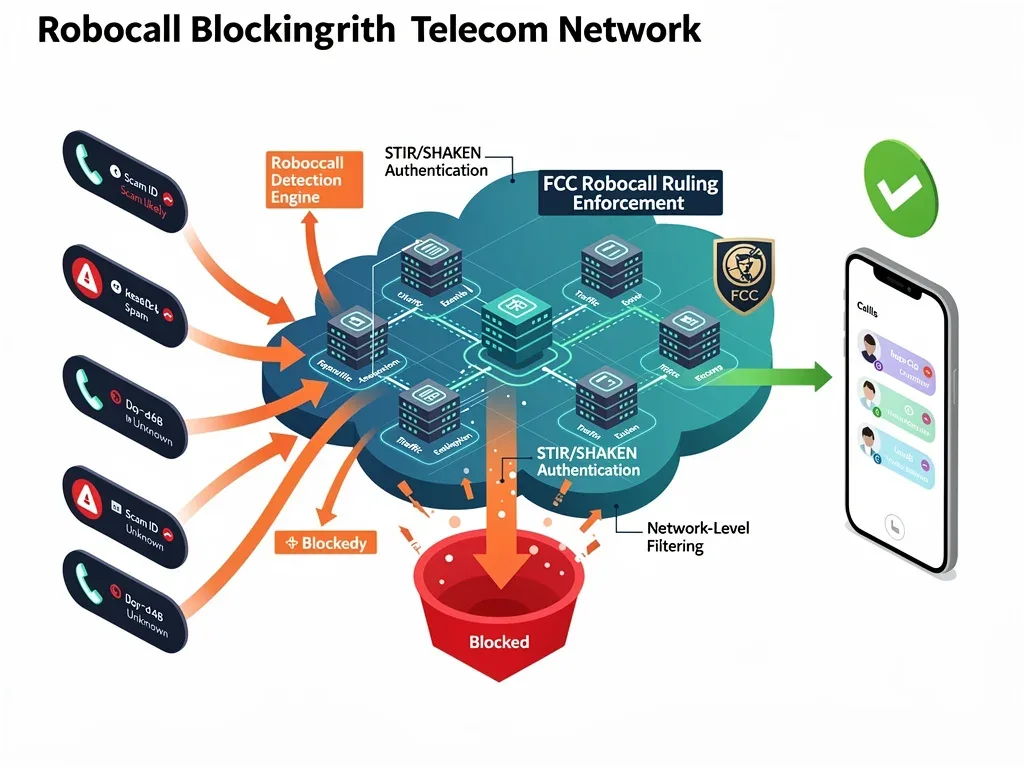
Under these strict federal telecom guidelines, voice service providers must enforce Do-Not-Originate filtering to stop caller ID spoofing and invalid call routing. Mandatory network-level authentication standards ensure that unverified caller IDs and suspected scam operations are intercepted directly at the gateway.
Empowering network carriers to block deceptive automated calls at the source provides mobile users with unprecedented digital privacy protections. Here is what you need to know about your consumer rights and how these carrier-level protections shield your personal device.
Understanding the New FCC Robocall Blocking Mandate
The Federal Communications Commission (FCC) has officially implemented a comprehensive mandate requiring all voice service providers to block illegal robocalls. This directive, effective this month, marks a significant escalation in efforts to combat the pervasive issue of unwanted automated calls that have plagued American consumers for years.
This mandate builds upon previous FCC initiatives, such as the STIR/SHAKEN caller ID authentication framework, by now demanding a proactive and complete blocking of calls identified as illegal. The goal is to create a more secure and trustworthy telecommunications environment for everyone.
The ruling underscores the FCC's commitment to protecting consumers from fraud and harassment, recognizing the substantial financial and emotional toll robocalls inflict. It represents a critical step forward in ensuring the integrity of the nation's phone networks.
Key Details of the National Telecom Ruling
Under the new national telecom ruling, voice service providers are now required to implement 100% blocking of robocalls that originate from numbers on the FCC's "Do Not Originate" list, as well as those that fail authentication under STIR/SHAKEN. This applies to all calls, regardless of whether they are domestic or international.
The mandate specifies that carriers must use reasonable analytics and authentication methods to identify and block these illegal calls before they reach consumers. This proactive approach aims to stop the calls at the network level, rather than relying solely on individual consumer blocking tools.
Providers are also expected to provide transparent reporting on their blocking efforts and demonstrate compliance with the new regulations. The FCC has made it clear that non-compliance will result in penalties, ensuring that carriers take their responsibilities seriously.
What Constitutes an Illegal Robocall?
An illegal robocall typically involves an automated message delivered to a phone without the recipient's prior express consent. This includes calls attempting to defraud consumers, telemarketing calls to numbers on the National Do Not Call Registry, and calls with spoofed caller ID information.
The FCC distinguishes between legitimate automated calls, such as emergency alerts or appointment reminders from businesses with prior consent, and illegal robocalls. The focus of this mandate is strictly on the latter, aiming to eliminate unsolicited and often deceptive communications.
Understanding this distinction is crucial for both consumers and providers. The new mandate is not designed to block legitimate communications but to aggressively target the malicious actors behind pervasive robocall campaigns.
Fraudulent Schemes: Calls attempting to steal personal information or money.
Spoofed Numbers: Calls using fake caller ID to impersonate legitimate entities.
Unsolicited Telemarketing: Commercial calls without prior express consent.
Illegal Debt Collection: Harassing or deceptive calls regarding debts.
Impact on Consumers Starting This Month
Consumers across the United States can expect a noticeable reduction in the volume of unwanted robocalls reaching their phones. This new FCC Robocall Blocking Mandate directly translates into fewer interruptions and a greater sense of security regarding incoming calls.
While the mandate aims for 100% blocking of identified illegal calls, consumers should remain vigilant. Some sophisticated robocallers may attempt to circumvent new measures, though the overall effectiveness is expected to be substantial.
The increased protection means consumers will have more confidence in answering calls, knowing that a significant portion of the previously intrusive and fraudulent calls will no longer reach them. This is a major win for privacy and peace of mind.
How Your Phone Service Provider is Affected
All voice service providers, from major national carriers to smaller regional operators, are directly affected by the FCC Enforces 100% Robocall Blocking Mandate. They must now invest in and deploy advanced technologies to comply with the strict blocking requirements.
This involves enhancing their network infrastructure to identify and block illegal calls more effectively, often leveraging AI and machine learning algorithms. Providers are also tasked with improving their STIR/SHAKEN implementation to authenticate caller ID information accurately.
For consumers, this means that their current phone service providers are actively working to protect them from robocalls, even if the changes are largely invisible. The industry as a whole is now mandated to prioritize robocall mitigation.
The Role of STIR/SHAKEN in Enhanced Blocking
The STIR/SHAKEN framework plays a foundational role in the FCC Enforces 100% Robocall Blocking Mandate. This technology authenticates caller ID information, verifying that a call is indeed coming from the number displayed, thereby combating caller ID spoofing.
With STIR/SHAKEN, calls are digitally signed by the originating carrier and verified by the terminating carrier. If a call fails this authentication, especially if it's from a number known for illegal activity or on the FCC's "Do Not Originate" list, it becomes a prime candidate for immediate blocking under the new mandate.
The synergy between STIR/SHAKEN and the new blocking mandate ensures a multi-layered defense against robocalls. It provides carriers with robust tools to identify and intercept fraudulent calls before they ever reach a consumer's device.
Consumer Actions and Reporting Robocalls
While the FCC Enforces 100% Robocall Blocking Mandate significantly reduces the burden on consumers, individuals still have an important role to play. Reporting persistent or new types of robocalls helps the FCC and carriers refine their blocking mechanisms.
Consumers should continue to report unwanted calls to the FCC and the Federal Trade Commission (FTC). This data provides critical intelligence to identify emerging robocall campaigns and ensure the blocking systems remain effective against evolving tactics.
Many smartphone apps and carrier services also offer additional call blocking and spam identification features. Utilizing these tools, in conjunction with the new mandate, provides the strongest defense against unwanted calls.
Report to FCC: File complaints via the FCC's website or phone.
Report to FTC: Use the National Do Not Call Registry complaint form.
Use Carrier Tools: Opt-in to any free or paid blocking services offered by your provider.
Install Apps:1 Consider third-party call blocking apps with strong reviews.
Challenges and Future of Robocall Enforcement
Despite the strong measures of the FCC Enforces 100% Robocall Blocking Mandate, challenges persist. Robocallers are constantly adapting their methods, employing new technologies and tactics to bypass existing defenses. This necessitates continuous vigilance and innovation from regulators and carriers.
Enforcement across international borders also presents complexities, as many illegal robocalls originate from outside the United States. The FCC is working with international partners, but these efforts require diplomatic and technical coordination.
The future of robocall enforcement will likely involve even more sophisticated AI-driven analytics, closer collaboration between government agencies and telecom providers, and continuous adaptation to new threats. The battle against robocalls is ongoing, but this mandate represents a powerful new weapon.
Protecting Vulnerable Populations from Robocall Scams
A critical aspect of the FCC Enforces 100% Robocall Blocking Mandate is its enhanced protection for vulnerable populations, such as seniors, who are often disproportionately targeted by robocall scams. These scams can lead to significant financial losses and emotional distress.
By implementing a 100% blocking requirement, the FCC aims to significantly reduce the exposure of these groups to fraudulent calls. This proactive approach is vital, as once a vulnerable individual answers, they can become targets for highly persuasive and deceptive tactics.
Educational outreach remains important, but the mandate provides a crucial layer of technological defense. It ensures that fewer predatory calls even have the chance to reach and potentially harm those most at risk.

Industry Compliance and Accountability
The FCC Enforces 100% Robocall Blocking Mandate places significant accountability on voice service providers. They are not only required to implement the blocking mechanisms but also to demonstrate their compliance through regular reporting and audits.
The FCC has made it clear that failure to comply with the mandate will result in substantial fines and other enforcement actions. This strong stance ensures that carriers prioritize robocall mitigation as a core operational responsibility, not just an optional service.
This level of regulatory oversight is designed to foster a culture of proactive protection within the telecommunications industry, ultimately benefiting all consumers by making phone networks safer and more reliable.
Key Point | Brief Description |
|---|---|
100% Blocking Mandate | FCC requires carriers to block all identified illegal robocalls. |
STIR/SHAKEN Integration | Caller ID authentication is crucial for identifying calls to block. |
Consumer Impact | Expected significant reduction in unwanted and fraudulent calls. |
Carrier Accountability | Providers face penalties for non-compliance, ensuring robust implementation. |
Frequently Asked Questions About Robocall Blocking
What exactly does the FCC Robocall Blocking Mandate entail?▼
The mandate requires all voice service providers to proactively block illegal robocalls identified through specific criteria, including those on the FCC's "Do Not Originate" list and calls failing STIR/SHAKEN authentication. This aims to stop unwanted calls before they reach consumers.
When did the FCC's 100% robocall blocking mandate become effective?▼
The new national telecom ruling became effective this month, meaning voice service providers are now required to implement the comprehensive 100% blocking measures. Consumers should start seeing a reduction in robocalls almost immediately as carriers comply.
How will this new ruling protect consumers from robocalls?▼
By mandating 100% blocking at the network level, the ruling prevents a significant portion of illegal and fraudulent robocalls from ever reaching consumers' phones. This proactive defense enhances privacy and reduces the risk of falling victim to scams, improving overall trust in phone communications.
What role does STIR/SHAKEN play in the FCC's new mandate?▼
STIR/SHAKEN is critical for authenticating caller ID information, making it harder for robocallers to spoof numbers. Calls that fail STIR/SHAKEN authentication are prime targets for blocking under the new FCC Enforces 100% Robocall Blocking Mandate, creating a more reliable call environment.
What should consumers do if they still receive robocalls after the mandate?▼
Consumers should continue to report any persistent or new robocalls to the FCC and FTC. This feedback is essential for identifying evolving tactics and helps regulators and carriers refine their blocking mechanisms to ensure the effectiveness of the FCC Robocall Blocking Mandate over time.
Looking Ahead: The Future of Consumer Protection
The FCC Enforces 100% Robocall Blocking Mandate represents a pivotal moment in the ongoing fight against unwanted calls, signaling a robust commitment to consumer protection. While this new national telecom ruling will significantly curb illegal robocalls, the landscape of digital communication is constantly evolving.
Future efforts will likely focus on adapting to new technologies used by malicious actors and enhancing international cooperation to address calls originating from outside U.S. borders. The effectiveness of the FCC Robocall Blocking Mandate will be continually monitored, with adjustments made as needed to ensure its long-term success.
Consumers should stay informed about further developments and continue to leverage available tools, understanding that this mandate is a powerful, but not the final, step in securing their phone lines. The vigilance of both regulators and the public is essential for maintaining a safe communication environment.