Late 2026 Housing Market: Experts Predict 7% Price Shift
Advertisements
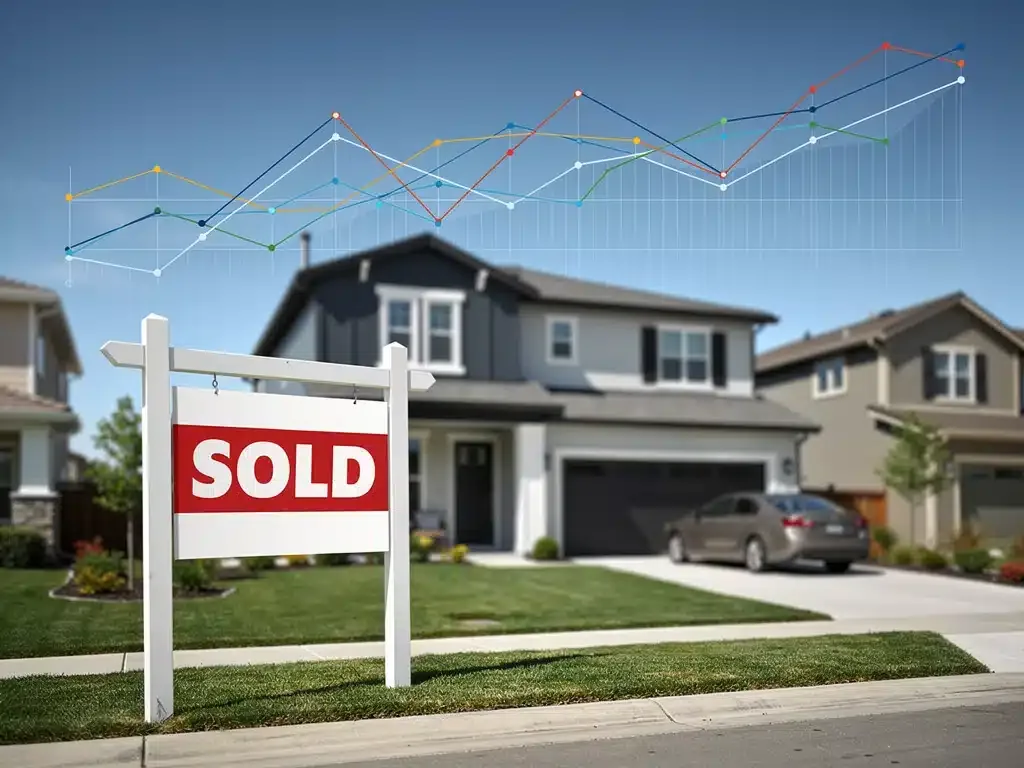
Driven by fluctuating mortgage rates and shifting inventory levels, the U.S. housing market is entering a pivotal transition phase.
Housing Market Outlook for Late 2026 analyzes economic forecasts, regional price disparities, and mortgage rate trends to help buyers, sellers, and investors navigate the remainder of the year.
This video analyzing the 2026 Housing Market Turning Point offers valuable visual context on how easing mortgage rates and inventory shifts are shaping home prices.
Understanding the 7% Shift: What the Experts Are Saying
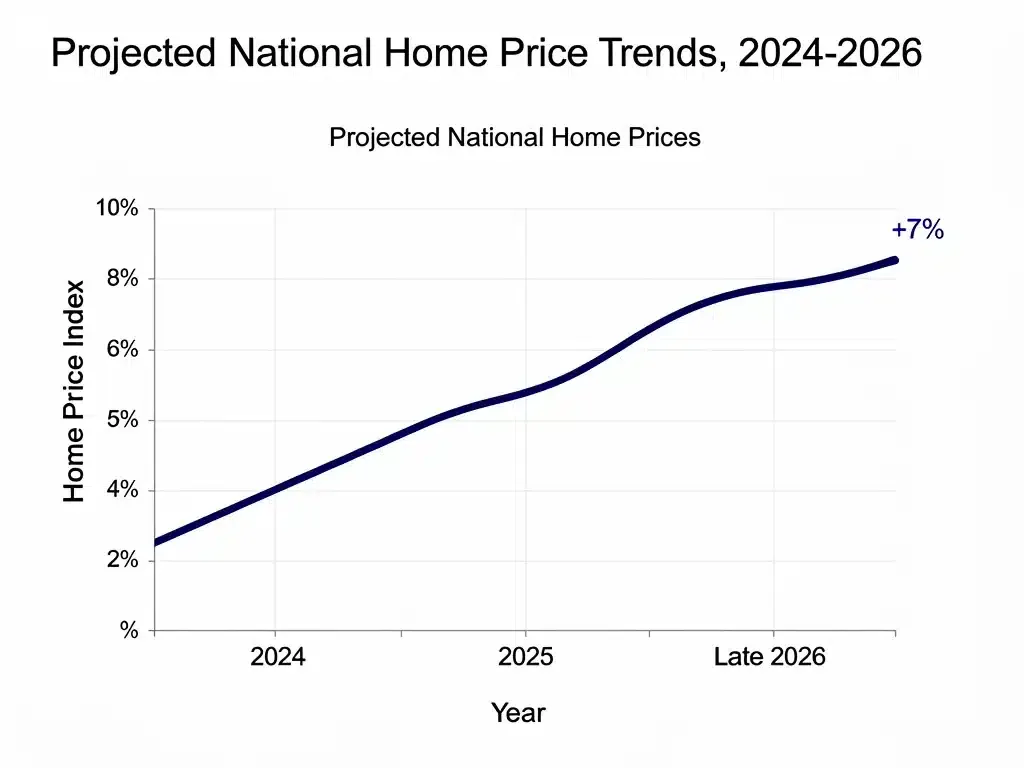
The consensus among leading economic forecasters points to a 7% shift in national home prices by late 2026.
This figure represents an aggregate national average, meaning individual markets will likely experience different magnitudes and directions of change.
The precise nature of this shift, whether an increase or decrease, is influenced by a complex interplay of local supply-demand dynamics and broader macroeconomic factors.
Several prominent institutions, including the National Association of Realtors (NAR) and major investment banks, have released reports detailing their projections.
These reports often highlight the divergence between high-demand coastal cities and more affordable inland markets. The 7% figure serves as a crucial benchmark for evaluating the overall health and trajectory of the U.S. housing sector.
The experts emphasize that this forecast is not a monolithic prediction but rather an informed estimate based on current data and anticipated economic conditions.
Key variables such as the Federal Reserve’s monetary policy, employment rates, and housing inventory levels are continuously monitored to refine these projections.
This ongoing analysis is vital for understanding the evolving Housing Market Outlook for Late 2026.
Macroeconomic Factors Driving Change
Inflationary pressures have played a significant role in shaping the current economic environment, directly impacting both construction costs and consumer purchasing power.
While inflation has shown signs of moderation, its persistent presence influences the cost of borrowing and the overall affordability of homes.
Interest rates, particularly mortgage rates, are another critical determinant.
The Federal Reserve’s stance on interest rate adjustments to combat inflation directly affects the monthly payments for homebuyers, thereby influencing demand and price elasticity.
Fluctuations in these rates can either stimulate or cool down market activity, contributing to the projected 7% shift.
Supply and demand imbalances continue to be a foundational issue in many U.S. housing markets.
A persistent shortage of available homes, coupled with robust demand in certain areas, can exert upward pressure on prices, even amidst rising interest rates.
Conversely, an increase in inventory or a decline in demand could lead to price moderation or decreases.
Regional Variances in Price Movements
The national 7% shift is an average, masking significant disparities at the regional and local levels.
Markets characterized by strong job growth, limited new construction, and high population influx are more likely to see continued price appreciation, potentially exceeding the national average.
Conversely, areas experiencing slower economic growth, increased housing supply, or out-migration might witness price stabilization or even declines.
This localized variability underscores the importance of granular market analysis for anyone making real estate decisions. The Housing Market Outlook for Late 2026 demands a nuanced understanding of these regional differences.
For example, cities in the Sun Belt states have seen substantial population growth and corresponding price increases, while some markets in the Northeast or Midwest might show more tempered growth.
These regional dynamics are crucial for understanding the comprehensive picture of the Housing Market Outlook for Late 2026.
The Role of Interest Rates and Inflation in Home Prices
Interest rates remain a primary lever influencing housing affordability and, consequently, home prices.
Higher mortgage rates increase the cost of homeownership, often leading to reduced buyer demand and a cooling effect on price growth. The Federal Reserve’s actions in response to inflation are therefore closely watched by the real estate sector.
Inflation directly impacts the cost of building materials, labor, and land, contributing to higher new home prices.
When inflation is high, developers face increased expenses, which are often passed on to consumers.
This can exacerbate affordability challenges, especially for first-time buyers, and contribute to the overall Housing Market Outlook for Late 2026.
The interplay between interest rates and inflation creates a complex economic backdrop for the housing market.
While rate hikes are designed to curb inflation, they can also dampen consumer enthusiasm for large purchases like homes.
Finding a balance that stabilizes prices without stifling economic activity is a key challenge for policymakers and a determinant for the future of home values.
Federal Reserve Policy and Mortgage Rates
The Federal Reserve’s decisions on the federal funds rate have a cascading effect on mortgage rates.
When the Fed raises rates, the cost of borrowing for banks increases, which is then typically passed on to consumers in the form of higher interest rates for loans, including mortgages.
This direct correlation means that prospects of future rate hikes or cuts significantly influence market sentiment and buyer behavior.
A period of stable or declining interest rates could re-energize demand, while continued increases might further moderate price growth. The anticipation of these policy shifts is integral to the Housing Market Outlook for Late 2026.
Mortgage rates do not move in perfect lockstep with the federal funds rate, as they are also influenced by bond markets and investor demand.
However, the general direction set by the Fed is a powerful indicator of where mortgage rates are headed, directly impacting the affordability and attractiveness of home purchases.
Impact of Supply and Demand Dynamics
The fundamental economic principles of supply and demand are particularly potent in the housing market.
A chronic shortage of available homes for sale, especially in desirable locations, continues to be a driving force behind price appreciation in many U.S. markets.
This imbalance has persisted for several years and is a key factor in the Housing Market Outlook for Late 2026.
New construction, while increasing, has struggled to keep pace with demand, particularly for entry-level and mid-range homes.
Regulatory hurdles, labor shortages, and high material costs contribute to this slow build-out. The lack of sufficient inventory means that even a slight increase in buyer interest can lead to bidding wars and elevated prices.
Conversely, a significant increase in housing supply, perhaps due to a surge in new construction or a wave of existing homes entering the market, could alleviate price pressures.
However, current projections suggest that such an influx is unlikely to occur rapidly enough to drastically alter the supply-demand imbalance before late 2026.
Demographic Shifts and Their Influence on Housing
Demographic trends play a crucial, long-term role in shaping the housing market. The aging millennial generation, now entering peak homebuying years, represents a substantial and sustained source of demand.
Their preferences for location, home size, and amenities profoundly influence new construction and existing home sales, impacting the Housing Market Outlook for Late 2026.
Migration patterns, both interstate and international, also significantly affect local housing markets.
States with strong job markets and lower costs of living often attract new residents, increasing demand and putting upward pressure on home prices.
Conversely, states experiencing out-migration may see more balanced or softening markets.
The rise of remote work has further amplified these demographic shifts, allowing individuals to relocate to more affordable areas without sacrificing career opportunities.
This flexibility has redistributed demand, contributing to price growth in previously less competitive markets and adding another layer of complexity to the Housing Market Outlook for Late 2026.
Millennials and First-Time Homebuyers
Millennials, the largest generation in the U.S. workforce, are increasingly entering the homeownership phase of their lives.
This demographic wave represents a powerful force in the housing market, driving sustained demand for homes, even in the face of affordability challenges.
Their collective purchasing power and preferences are shaping the types of homes being built and sold.
First-time homebuyers, predominantly millennials, face unique hurdles including student loan debt and the need for substantial down payments.
Government programs and lender innovations aimed at assisting these buyers can significantly impact market activity and price points. Their entry into the market is a key component of the Housing Market Outlook for Late 2026.
The sheer size of the millennial cohort ensures that their impact on the housing market will be felt for years to come.
As more individuals from this generation seek to establish roots and build equity, their demand will continue to be a foundational element influencing national home prices and regional market dynamics.
Impact of Remote Work on Location Preferences
The widespread adoption of remote work during and after the pandemic has fundamentally altered many Americans’ location preferences.
No longer tethered to a physical office, many individuals and families have sought larger homes, better amenities, or simply more affordable living in different geographical areas.
This shift has profound implications for the Housing Market Outlook for Late 2026.
This flexibility has led to a redistribution of housing demand, boosting markets in suburban and rural areas that were previously less competitive.
While major metropolitan areas continue to attract residents, the growth rate in some secondary markets has accelerated significantly due to remote work opportunities.
The long-term effects of remote work are still unfolding, but it is clear that this trend will continue to influence where people choose to live and, consequently, where housing demand and price growth will be most pronounced.
This adaptability in work-life dynamics is a critical variable in forecasting the future of the U.S. housing market.
Navigating the Market: Advice for Buyers and Sellers
For prospective homebuyers, understanding the Housing Market Outlook for Late means approaching the market with both caution and strategic planning.
Monitoring interest rate trends, local inventory levels, and specific neighborhood dynamics will be crucial. Buyers should prioritize financial readiness, including strong credit scores and pre-approval for mortgages, to position themselves competitively.
Sellers, on the other hand, should be mindful of the evolving market conditions. While a 7% shift could imply appreciation, it also suggests potential moderation or even slight declines in some areas.
Pricing strategies should be based on recent comparable sales, current market demand, and the overall economic forecast. Professional guidance from experienced real estate agents will be invaluable in this environment.
Both buyers and sellers benefit from staying informed and agile. The housing market is dynamic, and conditions can change rapidly.
Maintaining realistic expectations and being prepared to adapt to new information will be key to successful transactions as late 2026 approaches.
This proactive approach is essential for capitalizing on opportunities within the Housing Market Outlook for Late 2026.

Strategies for Prospective Homebuyers
Buyers should focus on financial preparedness, ensuring they have a clear understanding of their budget, including potential interest rate fluctuations.
Getting pre-approved for a mortgage early provides a clear picture of affordability and strengthens offers in a competitive market. Researching local market conditions, beyond national averages, is paramount.
Considering various financing options, such as adjustable-rate mortgages (ARMs) or government-backed loans, might offer flexibility depending on individual circumstances and the interest rate environment.
Patience and persistence are key, as finding the right property at the right price may require time and diligent searching. The Housing Market Outlook for Late 2026 suggests a market that rewards informed decisions.
It is also advisable for buyers to work with a knowledgeable real estate agent who specializes in their target areas.
An experienced agent can provide insights into local market trends, help identify suitable properties, and guide negotiations effectively. Their expertise can be a significant advantage in navigating the complexities of the current market.
Considerations for Home Sellers
Sellers should conduct a thorough market analysis to determine the optimal listing price for their property, taking into account recent sales data and current inventory.
Presenting the home in its best light through staging and minor renovations can attract more buyers and potentially secure a better price. Effective marketing strategies are also crucial.
Being flexible with pricing and open to negotiation can be advantageous, especially in a market that might be experiencing shifts.
Understanding buyer feedback and making necessary adjustments can shorten the time a home spends on the market. The Housing Market Outlook for Late 2026 indicates a need for strategic thinking.
Working with a reputable real estate agent who has a strong understanding of local market dynamics and effective marketing techniques is highly recommended.
Their guidance on pricing, presentation, and negotiation can be instrumental in achieving a successful sale, ensuring sellers maximize their returns in a shifting market.
Potential Risks and Opportunities in the Market
The projected 7% shift in the Housing Market Outlook for Late 2026 presents a dual landscape of potential risks and opportunities.
For buyers, a potential moderation or decline in prices could offer increased affordability, especially if interest rates stabilize or decrease. However, rising interest rates remain a risk, potentially offsetting any price gains.
Sellers face the risk of reduced buyer demand or downward price adjustments in certain areas, which could impact their equity or sale timeline.
Yet, for those looking to downsize or relocate to more affordable regions, the opportunity to realize equity from appreciated assets and purchase in a less competitive market could be significant.
Investors will need to carefully weigh rental yields against property appreciation prospects. Markets with strong rental demand and stable economic growth might offer attractive returns, while overvalued areas could pose higher risks.
The Housing Market Outlook for Late 2026 demands a meticulous assessment of these factors to identify genuine opportunities.
Economic Headwinds and Market Volatility
The broader economic landscape, including geopolitical events and global supply chain disruptions, can introduce significant volatility into the housing market.
Unexpected economic downturns or prolonged periods of high inflation could alter the projected 7% shift, potentially leading to more drastic price movements. These external factors are difficult to predict but must be considered.
Consumer confidence is another critical factor. Economic uncertainty can lead consumers to postpone major purchases, including homes, thereby reducing demand.
Conversely, a period of sustained economic growth and stability could bolster confidence and stimulate market activity. The Housing Market Outlook for Late 2026 is sensitive to these sentiments.
The possibility of a recession, even a mild one, could impact employment rates and household incomes, directly affecting affordability and the ability to secure mortgages.
Monitoring these economic headwinds is essential for anticipating potential shifts in market dynamics and adjusting strategies accordingly.
Emerging Investment Hotspots
Despite the overall market shifts, certain regions are poised to emerge as investment hotspots. These often include areas with strong population growth, diversified economies, and ongoing infrastructure development.
Such markets may offer more resilient property values and attractive rental income potential. Identifying these emerging areas is key for investors.
Secondary cities, often characterized by lower costs of living and a growing tech or manufacturing sector, are increasingly drawing attention from investors seeking higher yields than traditional primary markets.
These areas might be less susceptible to the cyclical downturns that can affect larger, more established real estate markets, influencing the Housing Market Outlook for Late 2026.
Furthermore, niches within the housing market, such as build-to-rent communities, senior living facilities, or specialized commercial properties, might present unique opportunities regardless of broader residential trends.
Diversifying investment portfolios and focusing on specific market segments can mitigate risks and enhance returns in a shifting environment.
Government Policies and Their Influence
Government policies at both federal and local levels significantly impact the housing market. Initiatives aimed at increasing housing supply, such as zoning reform or incentives for developers, can alleviate price pressures by addressing the inventory shortage.
These policies are critical for shaping the long-term Housing Market Outlook for Late 2026 and beyond.
Affordability programs, including down payment assistance or tax credits for first-time homebuyers, can stimulate demand and make homeownership more accessible.
However, such programs must be carefully balanced to avoid inadvertently fueling price inflation in already competitive markets. The design and implementation of these policies are closely watched by market participants.
Regulatory changes, such as stricter lending standards or environmental regulations for new construction, can also influence the market.
While intended to protect consumers or the environment, they can sometimes add to development costs or reduce the availability of financing, affecting both supply and demand dynamics in the Housing Market Outlook for Late 2026.
Housing Supply Initiatives and Regulations
Addressing the persistent housing supply shortage is a primary focus for many policymakers.
Efforts to streamline zoning regulations, reduce bureaucratic hurdles for new construction, and provide financial incentives to developers are gaining traction.
The success of these initiatives will be crucial in balancing demand and moderating price growth, especially as we approach late 2026.
Local governments are exploring various strategies, from allowing more multi-family dwellings in traditionally single-family zones to investing in public infrastructure that supports new residential developments.
These localized efforts, when scaled, can collectively have a significant impact on national housing inventory and the broader Housing Market Outlook for Late 2026.
However, challenges remain, including community resistance to increased density and the rising costs of labor and materials.
Overcoming these obstacles will require sustained political will and collaborative efforts between public and private sectors to ensure an adequate supply of diverse housing options.
Affordability Programs and Their Market Impact
Various government programs designed to enhance housing affordability aim to help underserved populations and first-time buyers enter the market.
These include FHA loans, VA loans, and state-specific grants or tax credits for down payments and closing costs. Such programs can significantly boost buyer demand and make homeownership a reality for many.
The impact of these programs on the Housing Market Outlook for Late 2026 is dual-edged.
While they increase access to homeownership, a surge in demand without a corresponding increase in supply can, in some cases, contribute to price increases.
Policymakers continuously evaluate these programs to ensure they achieve their intended goals without unintended market distortions.
Moreover, local initiatives, such as inclusionary zoning policies that mandate a certain percentage of affordable units in new developments, also play a role in addressing affordability challenges.
These combined federal and local efforts are vital components in shaping the future accessibility and pricing structure of the U.S. housing market.
Technological Innovations in Real Estate
Technological advancements are rapidly transforming the real estate industry, influencing everything from property search and valuation to transaction processes.
Online platforms, virtual tours, and AI-powered analytics are making the market more transparent and efficient for both buyers and sellers.
These innovations are becoming increasingly integral to understanding the Housing Market Outlook for Late 2026.
Proptech, or property technology, continues to evolve, offering solutions for property management, fractional ownership, and predictive market analysis.
These tools provide real-time data and insights that empower consumers and professionals to make more informed decisions, thereby impacting market dynamics and transaction speed.
Blockchain technology, while still in nascent stages for real estate, holds the promise of revolutionizing property transactions by enhancing security, reducing fraud, and streamlining legal processes.
The integration of these tech solutions could lead to a more liquid and accessible housing market, shaping its future trajectory towards late 2026.
AI and Data Analytics in Forecasting
Artificial intelligence and advanced data analytics are becoming indispensable tools for real estate forecasting.
AI algorithms can process vast amounts of data, including economic indicators, demographic shifts, and historical sales, to generate more accurate and nuanced predictions about market trends.
This capability is critical for refining the Housing Market Outlook for Late 2026.
These technologies allow analysts to identify subtle patterns and correlations that might be missed by traditional methods, providing deeper insights into supply-demand dynamics and potential price movements.
Predictive models can help stakeholders anticipate market shifts, enabling more proactive decision-making and risk management.
The continuous development of these AI-powered tools means that forecasts are becoming increasingly sophisticated, offering a more granular understanding of market behavior at local and regional levels.
This technological edge provides a significant advantage in navigating the complexities of the modern housing market.
Streamlining Transactions with Proptech
Proptech solutions are dramatically streamlining various aspects of real estate transactions, making the process faster, more transparent, and less burdensome.
Digital platforms for property listings, virtual staging, and online document signing reduce the need for physical paperwork and in-person meetings, accelerating the sales cycle.
Automated valuation models (AVMs) provide quick estimates of property values, assisting both buyers and sellers in making initial assessments.
While not a substitute for professional appraisals, AVMs offer a valuable starting point for market analysis. These efficiencies are contributing to a more dynamic Housing Market Outlook for Late 2026.
Furthermore, innovations in mortgage technology are simplifying loan applications and approvals, making financing more accessible and quicker to secure.
These technological advancements collectively enhance the overall efficiency of the real estate ecosystem, benefiting all participants and contributing to a more fluid market.
Long-Term Implications and Future Trends
Looking beyond the immediate Housing Market Outlook for Late, several long-term implications and future trends are emerging.
The ongoing evolution of remote work is likely to continue decentralizing population centers, fostering growth in secondary and tertiary markets. This geographical redistribution will reshape investment strategies and urban planning.
Sustainability and climate resilience are also becoming increasingly important considerations in real estate. Buyers are showing a growing preference for energy-efficient homes and properties in areas less prone to climate-related risks.
This trend will influence construction practices, property valuations, and insurance costs in the coming decades.
The role of technology, particularly AI and data analytics, will only deepen, providing even more sophisticated tools for market analysis, property management, and transaction execution.
These innovations will continue to enhance efficiency and transparency, fundamentally altering how real estate markets operate and how the Housing Market Outlook for Late 2026 evolves into future predictions.
| Key Factor | Influence on 2026 Outlook |
|---|---|
| Interest Rates | Federal Reserve policy directly impacts mortgage affordability and buyer demand. |
| Housing Inventory | Persistent shortages in many markets sustain price pressures, while new construction attempts to catch up. |
| Demographic Shifts | Millennial homeownership and remote work trends redistribute demand, influencing regional prices. |
| Economic Stability | Broader economic health, inflation, and employment rates underpin consumer confidence and market activity. |
Frequently Asked Questions About the 2026 Housing Market
What does a ‘7% shift’ in national home prices mean for me?▼A 7% shift denotes an average national change, meaning your local market might experience a different fluctuation. For buyers, it could signal either increased affordability or a slightly more challenging market, depending on the direction of the shift. Sellers should anticipate adjusted valuations based on local conditions, requiring careful pricing strategies.
Will interest rates continue to rise by late 2026?▼The trajectory of interest rates depends heavily on the Federal Reserve’s actions to manage inflation and broader economic conditions. While some stabilization is anticipated, potential rate adjustments could still occur. Monitoring Fed announcements and economic data will be crucial for understanding mortgage rate movements and their impact on the Housing Market Outlook for Late 2026.
How will remote work affect housing prices in my area?▼Remote work has redistributed demand, boosting prices in some suburban and rural areas while potentially moderating growth in traditional urban centers. Its impact varies by region, depending on local job markets, amenities, and housing supply. Assess local migration trends and employer policies to understand the specific effects on your area’s Housing Market Outlook for Late 2026.
Is it a good time to buy or sell property in the current climate?▼The decision to buy or sell is highly personal and depends on individual financial situations, local market conditions, and long-term goals. While the Housing Market Outlook for Late 2026 suggests shifts, opportunities exist for both buyers and sellers who are well-informed and strategically positioned. Consulting with a local real estate professional is highly recommended.
What role do government policies play in the 2026 housing market?▼Government policies significantly influence the market through housing supply initiatives, affordability programs, and regulatory changes. These interventions can either stimulate demand or address supply shortages, impacting prices and accessibility. Staying informed about local and federal policies can provide valuable insights into the future direction of the Housing Market Outlook for Late 2026.
What Happens Now
The projected Housing Market Outlook for Late 2026: Experts Predict a 7% Shift in National Home Prices underscores the dynamic nature of the U.S. real estate sector.
Stakeholders must remain vigilant, focusing on regional data and macroeconomic indicators to interpret these broad forecasts accurately. The interplay of interest rates, inflation, and demographic shifts will continue to shape the market landscape.
To see how recent real estate analyses predict these shifts impacting sales momentum and mortgage rates, read more on Zillow’s warning that the housing market has peaked.
For homeowners, prospective buyers, and investors, the coming months will be critical for strategic planning.
Monitoring legislative actions, new construction trends, and technological advancements within real estate will provide crucial insights.
The market is not static, and adaptability will be key to navigating its complexities successfully.
As late 2026 approaches, continuous engagement with reliable market analyses and expert opinions will be essential.
The anticipated shifts present both challenges and opportunities, requiring informed decisions to capitalize on favorable conditions or mitigate potential risks.
This ongoing evolution demands a proactive and well-researched approach from all participants in the housing market.