National Infrastructure Plan 2026: $500 Billion Projects Unveiled
Advertisements

Modernizing national transit, energy, and digital networks is vital for long-term economic growth and resilience.
The National Infrastructure Plan 2026 breaks down sector-by-sector funding allocations, project implementation timelines, and projected job creation across the United States.
Unveiling the National Infrastructure Plan 2026
Authorities have officially unveiled the full scope of the National Infrastructure Plan 2026, confirming an ambitious investment of $500 billion dedicated to revitalizing America’s foundational systems.
This plan targets a broad spectrum of projects, from transportation networks to digital communications, aiming to bolster national resilience and economic vitality.
The strategic framework of the plan emphasizes not just repair and maintenance, but also significant upgrades and new constructions designed to meet future demands.
This forward-looking approach positions the United States to address long-standing infrastructure deficits while fostering innovation.
Initial projections suggest widespread benefits, including substantial job creation and enhanced operational efficiencies across various sectors.
The detailed rollout provides clarity on how these monumental projects will be phased and managed over the next few years.
The infusion of $500 billion into the nation’s infrastructure marks one of the most significant federal commitments in decades.
This investment is poised to reshape the physical and digital landscape of the country, impacting daily lives and economic productivity.
According to official statements, the plan’s components are designed to be interdependent, creating a synergistic effect that maximizes overall impact.
This integrated strategy is critical for achieving the ambitious goals set for 2026 and beyond.
Stakeholders, including state and local governments, private enterprises, and labor unions, are now reviewing the comprehensive details.
Their collaboration will be essential for the successful execution of this massive undertaking and for realizing the full potential of the National Infrastructure Plan 2026.
Key Pillars of Investment and Project Focus
The National Infrastructure Plan 2026 is structured around several critical pillars, each receiving substantial allocation from the $500 billion fund.
These pillars represent areas deemed most crucial for national advancement and economic stability in the coming decade.
These investments are not merely about spending; they are strategic outlays designed to yield measurable returns in terms of efficiency, safety, and economic output.
The chosen projects reflect a careful assessment of national needs and long-term objectives.
From modernizing aging bridges and roads to expanding broadband access, the plan addresses a diverse range of challenges.
Each project within these pillars contributes to a larger vision of a more connected, sustainable, and resilient America.
Transportation Modernization
- Roads and Bridges: Billions are earmarked for repairing and upgrading over 10,000 miles of highways and 2,500 bridges, improving safety and reducing travel times across the nation.
- Public Transit: Significant investments will modernize urban and regional public transportation systems, enhancing capacity and accessibility for millions of commuters.
- Railways and Ports: Funding will also go towards improving freight and passenger rail lines, as well as upgrading key port infrastructure to boost trade efficiency.
The emphasis on transportation directly addresses bottlenecks that have hindered economic growth and supply chain reliability.
By creating smoother, faster, and safer transit routes, the plan aims to facilitate commerce and improve daily commutes.
Modernization efforts extend beyond physical structures to include advanced traffic management systems and smart infrastructure technologies.
These innovations will leverage data to optimize flow and minimize environmental impact, further enhancing the benefits of the National Infrastructure Plan 2026.
Economic Impact and Job Creation Projections
The economic impact of the National Infrastructure Plan 2026 is anticipated to be profound, extending far beyond the immediate construction sectors.
Analysts project a significant boost to the national GDP, driven by increased productivity and consumer spending.
This massive investment is not just about building physical assets; it’s about stimulating a broad economic recovery and fostering sustainable growth.
The ripple effect will be felt across numerous industries, creating a dynamic economic environment.
Job creation stands as a cornerstone of the plan’s economic strategy, with millions of direct and indirect employment opportunities expected.
These jobs will span various skill levels, from construction workers and engineers to technology specialists and administrative staff.
Stimulating Local Economies
- Direct Employment: Creation of hundreds of thousands of jobs in construction, manufacturing, and related fields directly involved in project execution.
- Indirect Employment: Growth in sectors supporting infrastructure projects, such as materials suppliers, logistics, and professional services.
- Induced Employment: Increased consumer spending by newly employed workers and those with higher wages, leading to job growth in retail, hospitality, and other service industries.
The distribution of projects under the National Infrastructure Plan 2026 across various states and localities ensures that economic benefits are broadly shared.
This localized impact is crucial for strengthening regional economies and reducing disparities.
Furthermore, the long-term economic gains from improved infrastructure, such as reduced transportation costs and enhanced connectivity, will contribute to sustained competitiveness.
Businesses will benefit from more efficient supply chains and access to wider markets, fostering innovation and expansion.
Funding Mechanisms and Financial Oversight
Securing $500 billion for the National Infrastructure Plan 2026 involves a complex array of funding mechanisms, including direct federal appropriations, state and local contributions, and potential private sector partnerships.
Transparency and accountability are paramount in managing such a substantial budget.
The financial framework is designed to ensure that funds are allocated efficiently and effectively, minimizing waste and maximizing project impact.
Robust oversight mechanisms are being put in place to monitor spending and project progress rigorously.
This multi-faceted funding approach reflects a commitment to shared responsibility and broad participation in the national effort. Each funding stream plays a vital role in enabling the ambitious scale of the infrastructure plan.

Federal agencies are working closely with state and local governments to streamline the application and disbursement processes.
This collaboration is essential to ensure that projects can commence without undue delays and adhere to established timelines.
Private sector involvement, through public-private partnerships (PPPs), is also anticipated to play a role in certain projects, bringing in additional capital and expertise.
These partnerships can accelerate project delivery and introduce innovative solutions, enhancing the overall effectiveness of the National Infrastructure Plan 2026.
Environmental and Social Considerations
Beyond economic metrics, the National Infrastructure Plan 2026 places significant emphasis on environmental sustainability and social equity.
Projects are being designed to minimize ecological footprints and promote resilience against climate change impacts.
Careful consideration is being given to how infrastructure development intersects with local communities, ensuring that benefits are equitably distributed and potential negative impacts are mitigated.
Public engagement and community feedback are integral to this process.
The plan seeks to integrate green technologies and practices wherever feasible, contributing to national climate goals and fostering a more sustainable future. This holistic approach ensures that progress is achieved responsibly.
Sustainable Development Goals
- Green Infrastructure: Promoting the use of sustainable materials, renewable energy sources, and eco-friendly construction techniques in all projects.
- Climate Resilience: Designing infrastructure to withstand extreme weather events and adapt to changing environmental conditions, protecting communities and assets.
- Equitable Access: Ensuring that upgraded infrastructure benefits all segments of society, particularly underserved communities, by improving access to essential services and opportunities.
Environmental impact assessments are a mandatory component for all major projects under the National Infrastructure Plan 2026.
These assessments help identify potential risks and guide the implementation of mitigation strategies, safeguarding natural resources.
Social considerations also involve prioritizing local hiring and providing training opportunities for residents, particularly in areas where new infrastructure is being built.
This approach aims to create lasting community benefits and foster local ownership of the projects.
Challenges and Implementation Hurdles
Implementing a plan of the magnitude of the National Infrastructure Plan 2026 is not without its challenges.
Logistical complexities, regulatory hurdles, and potential supply chain disruptions are among the significant obstacles that project managers will need to navigate.
Securing adequate skilled labor and specialized materials will also be a critical factor in maintaining project timelines and budgets.
Addressing these issues proactively is essential for the successful execution of the plan.
Furthermore, ensuring coordination across multiple governmental levels and private entities requires robust communication and consistent oversight. The sheer scale demands an unprecedented level of collaboration.
Overcoming Obstacles
- Regulatory Streamlining: Efforts are underway to expedite permitting processes without compromising environmental or safety standards, accelerating project timelines.
- Workforce Development: Programs are being initiated to train and recruit skilled labor, addressing potential shortages in critical construction and engineering fields.
- Supply Chain Management: Strategies are being developed to secure necessary materials and mitigate potential disruptions, ensuring a steady flow of resources for projects.
Public acceptance and community engagement are also crucial for smooth implementation.
Addressing local concerns and ensuring transparent communication about project impacts will help build trust and reduce opposition to the National Infrastructure Plan 2026.
The dynamic economic landscape, including inflation and interest rate fluctuations, could also influence project costs and financing options.
Constant monitoring and adaptive strategies will be necessary to keep the plan on track and within budget.
Future Outlook and Long-Term Vision
The National Infrastructure Plan 2026 is not merely a short-term spending initiative but a foundational step towards a more robust and competitive future for the United States.
Its long-term vision aims to position the nation as a global leader in infrastructure innovation.
The sustained investment in critical sectors is expected to yield benefits for decades, improving quality of life, fostering technological advancements, and strengthening national security.
This strategic foresight underpins every aspect of the plan.
As projects come online, the cumulative effect will transform the country’s capabilities and resilience, creating a legacy of modern infrastructure for generations to come.
The initial $500 billion is just the beginning of this transformative journey.
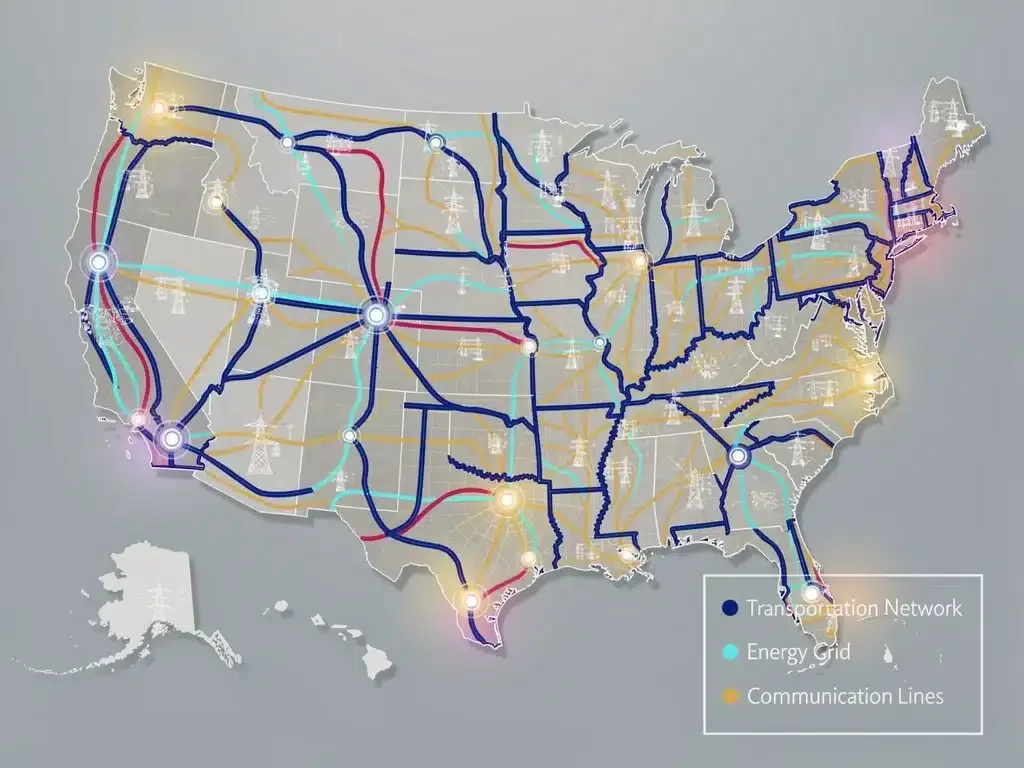
Continuous evaluation and adaptation will be key to the plan’s enduring success.
Monitoring performance metrics and responding to evolving needs will ensure that the infrastructure remains cutting-edge and serves its intended purpose effectively.
The success of the National Infrastructure Plan 2026 will also serve as a blueprint for future investment strategies, demonstrating the profound impact of coordinated national efforts.
It sets a precedent for how large-scale public works can drive sustained economic and social progress.
| Key Aspect | Description |
|---|---|
| Total Investment | $500 billion allocated for nationwide infrastructure projects. |
| Core Focus Areas | Transportation, broadband, energy grids, water systems, and public buildings. |
| Economic Boost | Significant job creation and GDP growth projected across various sectors. |
| Environmental Goals | Integration of sustainable practices and climate resilience measures. |
Frequently Asked Questions about the National Infrastructure Plan 2026
What is the primary goal of the National Infrastructure Plan 2026?▼The main goal is to modernize and expand America’s critical infrastructure across various sectors, including transportation, digital connectivity, and utility systems. This aims to boost economic competitiveness, create jobs, and enhance the nation’s overall resilience for future challenges.
How much funding is allocated for this plan?▼The National Infrastructure Plan 2026 has an allocated budget of $500 billion. This substantial investment will be sourced through a combination of federal appropriations, state and local government contributions, and potential private sector partnerships to ensure comprehensive project funding.
Which sectors will see the most significant investment?▼Key sectors targeted for significant investment include roads and bridges, public transit, railways and ports, broadband internet expansion, and upgrades to energy grids and water infrastructure. These areas are deemed crucial for both immediate economic stimulus and long-term national development.
What are the expected economic benefits of the plan?▼The plan is expected to generate millions of direct and indirect jobs, stimulate GDP growth, and improve economic efficiency through modernized infrastructure. It aims to reduce operational costs for businesses, enhance supply chain reliability, and foster innovation across various industries.
How will environmental concerns be addressed in the projects?▼The National Infrastructure Plan 2026 emphasizes sustainable development by integrating green technologies, promoting climate-resilient designs, and conducting thorough environmental impact assessments. The goal is to minimize ecological footprints while achieving infrastructure improvements and supporting national climate objectives.
Looking Ahead: The Impact and Implications
The National Infrastructure Plan 2026: Details on $500 Billion in Projects and Their Economic Boost represents a pivotal moment for the United States, promising far-reaching economic and social transformations.
As projects commence, their implementation will be closely monitored for efficiency, environmental compliance, and community benefits.
To learn more about federal frameworks for securing and building resilience across vital supply chains and national systems, consult the guidelines outlined in the National Infrastructure Protection Plan and Resources.
This initiative is more than just a series of construction projects; it’s a strategic investment in the nation’s future competitiveness and resilience.
Stakeholders and citizens alike should remain informed about ongoing developments, as the plan’s success will profoundly shape the American landscape for decades.
The comprehensive nature of the plan, from transportation to digital connectivity, underscores a commitment to holistic national progress.
Its unfolding will provide valuable insights into large-scale public sector management and its capacity to drive sustained growth.