WIC Program 2026: 10% Benefit Boost for Families
Advertisements
Latest developments on WIC Program 2026: Enhancing Nutritional Benefits for Pregnant Women and Children Under 5 with a 10% Increase, with key facts, verified sources and what readers need to monitor next in Estados Unidos, presented clearly in Inglês (Estados Unidos) (en-US).
WIC Program 2026: Enhancing Nutritional Benefits for Pregnant Women and Children Under 5 with a 10% Increase is shaping today’s agenda with new details released by officials and industry sources. This update prioritizes what changed, why it matters and what to watch next, in a straightforward news format.
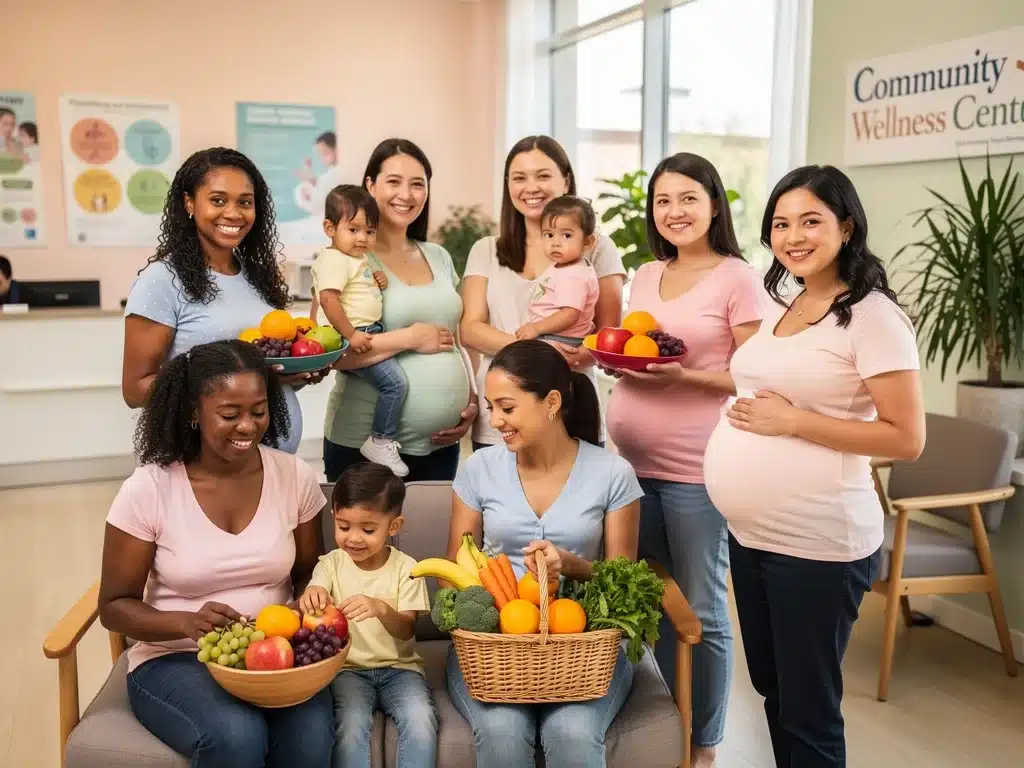
The Special Supplemental Nutrition Program for Women, Infants, and Children (WIC) is a vital federal assistance program. It provides nutritional support to low-income pregnant women, breastfeeding women, and children up to age five who are at nutritional risk. The anticipated increase in benefits for 2026 marks a significant step forward in addressing food insecurity and promoting healthier outcomes for these vulnerable populations.
This initiative reflects a continued commitment to improving public health and ensuring equitable access to nutritious foods. The 10% boost is projected to have a tangible impact on household budgets and the overall well-being of millions of families. Stakeholders are closely watching the implementation details as they unfold.
Understanding the WIC Program 2026 Enhancements
The WIC Program 2026: Enhancing Nutritional Benefits for Pregnant Women and Children Under 5 with a 10% Increase represents a crucial upgrade to a long-standing federal program. This enhancement is designed to better meet the dietary needs of its participants, reflecting current nutritional science and rising food costs.
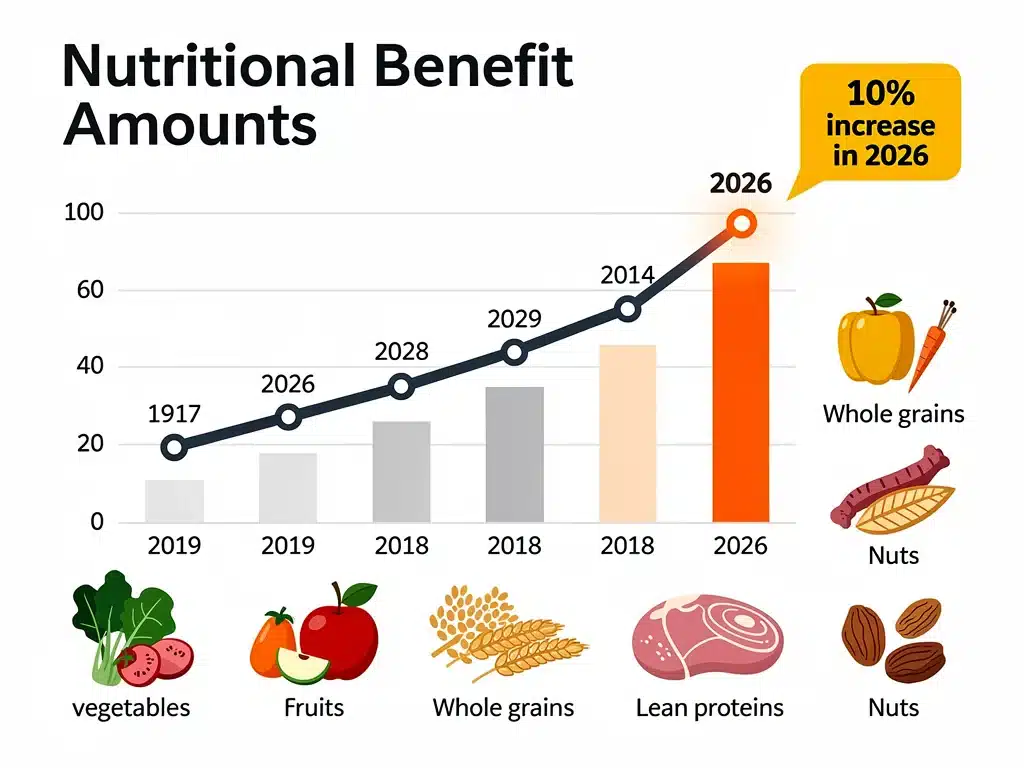
The proposed 10% increase is not merely an arbitrary figure; it is a carefully calculated adjustment intended to provide more purchasing power for healthy foods. This move aims to ensure that eligible families can access a wider variety of nutrient-dense options, supporting optimal growth and development during critical life stages.
For many families, this increment will translate into a significant alleviation of financial strain when purchasing essential items like fruits, vegetables, whole grains, and dairy products. It underscores a federal recognition of the importance of early childhood nutrition and maternal health as foundational elements for a healthier society.
Impact on Pregnant Women and New Mothers
The 10% increase in benefits under the WIC Program 2026: Enhancing Nutritional Benefits for Pregnant Women and Children Under 5 with a 10% Increase will directly support the nutritional needs of pregnant and breastfeeding women. Adequate nutrition during pregnancy is fundamental for both maternal health and fetal development, reducing risks of complications.
For new mothers, especially those who are breastfeeding, the enhanced benefits will help sustain their energy levels and ensure they can provide the best possible nutrition to their infants. This support extends beyond just food; it empowers women to make healthier choices for themselves and their newborns without added financial stress.
Studies consistently show that well-nourished pregnant and lactating women experience fewer health issues and have healthier babies. This program expansion is a proactive measure to invest in the earliest stages of life, laying a strong foundation for future health and cognitive development.
Addressing Dietary Needs During Pregnancy
Pregnant women require increased intake of specific nutrients, including iron, folic acid, calcium, and protein. The expanded WIC benefits will allow for greater access to foods rich in these vital components, directly contributing to healthier pregnancies and reducing the incidence of low birth weight and premature births.
Access to fresh produce, lean proteins, and whole grains becomes more feasible with the increased benefit amount. This empowers pregnant participants to follow dietary recommendations more closely, which is crucial for preventing nutrient deficiencies that can impact both mother and child.
Support for Breastfeeding Mothers
Breastfeeding mothers also have elevated nutritional requirements to support milk production and their own recovery. The WIC Program 2026: Enhancing Nutritional Benefits for Pregnant Women and Children Under 5 with a 10% Increase recognizes this by providing additional food packages tailored to their needs.
These enhanced packages often include a wider selection of foods designed to support lactation, ensuring mothers have the resources to sustain breastfeeding for longer durations. This, in turn, provides infants with critical antibodies and nutrients essential for their immune system and overall health.
Benefits for Children Under 5
Children under the age of five are in a critical developmental window where nutrition plays a paramount role in their physical and cognitive growth. The increased benefits from the WIC Program 2026: Enhancing Nutritional Benefits for Pregnant Women and Children Under 5 with a 10% Increase will directly contribute to healthier childhoods for millions.
Ensuring young children receive adequate vitamins, minerals, and calories helps prevent malnutrition, which can have long-lasting effects on their health, learning abilities, and behavior. This program enhancement is a preventive health measure, investing in the future generation’s potential.
The expanded food options available through WIC will encourage families to introduce a diverse range of healthy foods early on, fostering good eating habits that can last a lifetime. This early intervention is key to combating childhood obesity and other diet-related health issues.
Promoting Healthy Development in Early Childhood
The WIC program’s focus on nutrient-rich foods is essential for brain development, bone growth, and immune system function in young children. The 10% benefit increase will enable families to purchase more of these crucial items, directly supporting developmental milestones.
For example, increased access to fruits and vegetables provides essential vitamins, while whole grains offer sustained energy. Dairy products contribute to strong bones and teeth, all critical for children navigating their formative years.
Addressing Food Insecurity in Young Families
Food insecurity remains a significant challenge for many families with young children across the United States. The WIC Program 2026: Enhancing Nutritional Benefits for Pregnant Women and Children Under 5 with a 10% Increase directly confronts this issue by providing a more robust safety net.
By alleviating some of the financial burden of purchasing nutritious food, WIC allows families to redirect resources to other necessities, such as housing and utilities. This holistic support contributes to a more stable and nurturing environment for young children.
How the 10% Increase Will Be Implemented
The implementation of the 10% increase for the WIC Program 2026: Enhancing Nutritional Benefits for Pregnant Women and Children Under 5 with a 10% Increase will involve several key administrative and operational adjustments. State WIC agencies are currently preparing for these changes, working to ensure a smooth transition for participants and vendors.
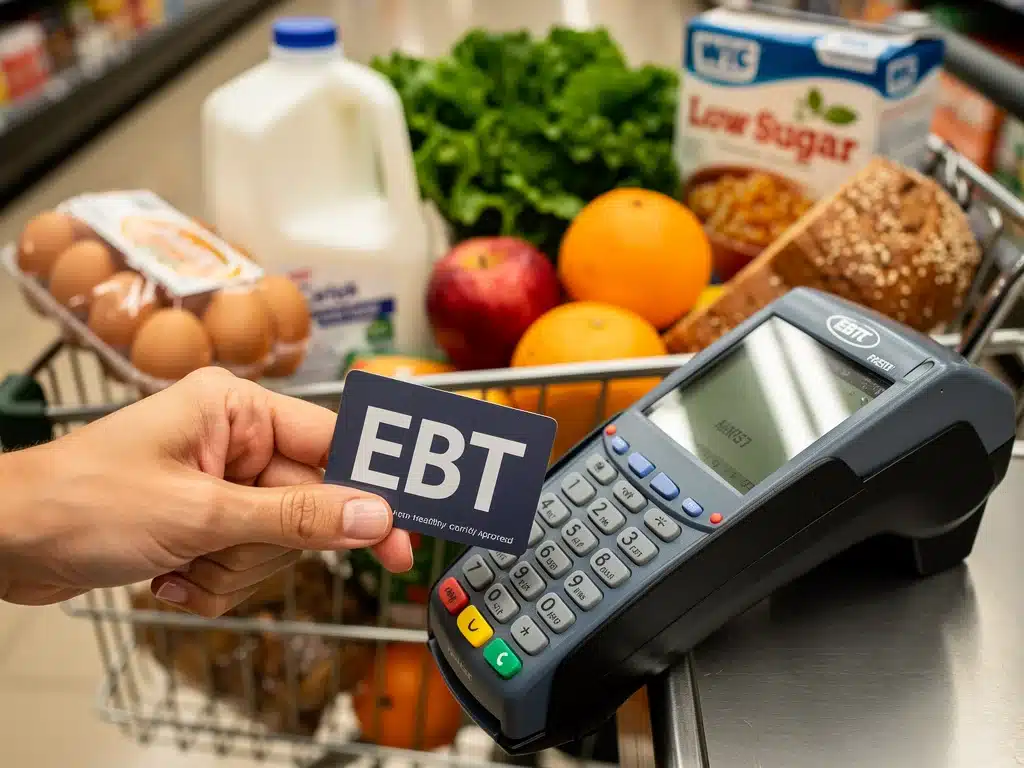
This process typically includes updating electronic benefit transfer (EBT) systems, communicating new benefit amounts to participants, and providing guidance to authorized grocery stores. The goal is to make the increased benefits accessible and easy to use as soon as they take effect.
Officials anticipate that the new benefit levels will be reflected in participants’ monthly allowances, allowing them to purchase a greater quantity or wider variety of WIC-approved foods. Public awareness campaigns are also expected to inform eligible families about these positive changes.
Administrative Preparations and System Updates
State WIC agencies are working diligently to update their internal systems and collaborate with federal partners to facilitate the 10% increase. This includes programming EBT cards to reflect the new cash value benefits for fruits and vegetables, and ensuring all authorized vendors are prepared for the change.
Training for WIC staff on the updated benefit structure and communication protocols is also underway. This comprehensive preparation aims to minimize any disruption and maximize the positive impact of the enhanced benefits for families.
Communication with Participants and Vendors
Clear and timely communication is paramount for the successful rollout of the WIC Program 2026: Enhancing Nutritional Benefits for Pregnant Women and Children Under 5 with a 10% Increase. WIC clinics will play a vital role in informing participants about the new benefit amounts, eligible food items, and any procedural changes.
Similarly, authorized WIC vendors, primarily grocery stores, will receive updated guidance to ensure they can accurately process transactions with the increased benefit values. This collaborative effort between WIC agencies, participants, and vendors is essential for the program’s efficiency.
Broader Economic and Health Implications
The WIC Program 2026: Enhancing Nutritional Benefits for Pregnant Women and Children Under 5 with a 10% Increase carries significant broader implications beyond individual families. It represents a strategic investment in public health, with potential ripple effects across the economy and healthcare system.
Improved nutrition for mothers and young children can lead to reduced healthcare costs in the long run, as healthier individuals are less prone to chronic diseases and developmental issues. This program acts as a preventative measure, easing the burden on emergency services and long-term medical care.
Economically, the increased WIC spending can stimulate local economies as families purchase more food from authorized vendors. This direct injection of funds into grocery stores supports local businesses and potentially creates jobs within the food retail sector, contributing to economic stability in communities.
Addressing Challenges and Ensuring Access
While the WIC Program 2026: Enhancing Nutritional Benefits for Pregnant Women and Children Under 5 with a 10% Increase is a positive development, ensuring equitable access and overcoming potential challenges remains a focus. Outreach efforts are crucial to reach all eligible families, particularly in underserved communities.
One challenge involves continuous education for participants on how to best utilize their increased benefits to make the healthiest food choices. WIC clinics provide nutrition education, which becomes even more critical with expanded purchasing power.
Furthermore, maintaining a robust network of authorized vendors, especially in rural or low-income areas, is essential to ensure that participants can easily access WIC-approved foods. Addressing these logistical aspects will be key to the program’s overall success and impact.
Outreach and Enrollment Strategies
To maximize the reach of the WIC Program 2026: Enhancing Nutritional Benefits for Pregnant Women and Children Under 5 with a 10% Increase, WIC agencies are developing enhanced outreach and enrollment strategies. These efforts aim to identify and inform eligible families who may not currently be participating in the program.
Partnerships with community organizations, healthcare providers, and social service agencies are vital in disseminating information and assisting families with the application process. Simplifying enrollment procedures and offering flexible appointment options can also remove barriers to participation.
Ensuring Vendor Participation and Food Availability
The success of the WIC program heavily relies on the availability of WIC-approved foods at authorized retail locations. As benefits increase, ensuring a sufficient supply of these specific foods, especially fresh produce, becomes even more important.
WIC agencies work with grocery stores to ensure they understand program requirements and to encourage participation, particularly in areas with limited access to healthy food options. This collaboration helps guarantee that participants can easily redeem their benefits for the nutritious items they need.
Future Outlook for WIC and Nutritional Support
The WIC Program 2026: Enhancing Nutritional Benefits for Pregnant Women and Children Under 5 with a 10% Increase sets a precedent for future federal investments in nutritional support programs. This significant increase signals a potential shift towards more robust and responsive public health initiatives.
Discussions around WIC’s long-term funding and potential further expansions are ongoing, with advocates highlighting the program’s proven track record in improving health outcomes. The success of the 2026 enhancements could pave the way for sustained support and adaptations to meet evolving public health needs.
Monitoring the impact of this 10% increase will be crucial for informing future policy decisions and ensuring that WIC continues to be an effective tool in the fight against hunger and malnutrition. The program’s evolution reflects a dynamic approach to public welfare.
| Key Point | Brief Description |
|---|---|
| Benefit Increase | WIC Program 2026 will see a 10% boost in nutritional benefits. |
| Target Audience | Pregnant women, breastfeeding mothers, and children under 5 years old. |
| Purpose | Enhance access to nutritious foods, improve health outcomes, and combat food insecurity. |
| Implementation | Requires administrative updates, communication with participants and vendors. |
Frequently Asked Questions About WIC Program 2026
The WIC Program 2026: Enhancing Nutritional Benefits for Pregnant Women and Children Under 5 with a 10% Increase refers to a federal mandate to boost the nutritional benefits provided to eligible participants by 10%. This aims to expand purchasing power for healthy foods.
Eligibility for WIC remains focused on low-income pregnant women, breastfeeding women up to one year postpartum, non-breastfeeding postpartum women up to six months, and children up to their fifth birthday who are at nutritional risk. The 10% increase applies to these existing eligible groups.
The 10% increase in nutritional benefits is slated to take effect as part of the WIC Program for the year 2026. Specific implementation dates may vary slightly by state, but the overall enhancement is planned for that fiscal year.
WIC benefits cover specific healthy foods such as fruits, vegetables, whole grains, milk, eggs, cheese, juice, cereal, and infant formula. The 10% increase will allow participants to purchase more of these WIC-approved items, enhancing dietary variety and quality.
To apply for WIC or inquire about the WIC Program 2026: Enhancing Nutritional Benefits for Pregnant Women and Children Under 5 with a 10% Increase, contact your local state WIC agency or health department. They can provide detailed eligibility requirements and application procedures, as well as specific information on the upcoming changes.
Looking Ahead
The WIC Program 2026: Enhancing Nutritional Benefits for Pregnant Women and Children Under 5 with a 10% Increase marks a pivotal moment for public health and food security in the United States. This substantial boost in benefits underscores a national commitment to safeguarding the health of our most vulnerable populations. As implementation approaches, it will be crucial to monitor how these changes translate into real-world improvements for families, and what further policy considerations might emerge. This initiative sets a positive precedent for continued investment in foundational health programs.