EV Charging Network Surpasses 200,000 Ports: FHWA Milestone
Advertisements
Still worried about running out of battery on a cross-country road trip or hunting for an open plug around town? America’s public EV Charging Network has officially crossed the 200,000-port mark, marking a major Federal Highway Administration infrastructure milestone.
Backed by bipartisan federal funding and rapid private-sector deployment, thousands of new Level 2 plugs and DC fast chargers are steadily filling range gaps along major interstate corridors. Reaching this scale signals that electric vehicle readiness is moving far beyond coastal early-adopter hubs.
Whether you already drive an electric car or are weighing your next vehicle purchase, easier access to reliable plugs changes the daily ownership equation. Here is where the newest stations are landing and what this expansion means for drivers nationwide.
Understanding the FHWA Milestone
The Federal Highway Administration's confirmation that the National EV Charging Network is a testament to strategic planning and execution. This achievement is a key indicator of the nation's progress in building a comprehensive EV infrastructure. It highlights the collaborative efforts between government agencies and private sector partners.
This milestone is not merely about the number of ports; it also reflects the geographic spread and increasing accessibility of charging solutions. Drivers can now find charging options in more diverse locations, reducing range anxiety and making EV ownership more practical. The FHWA's data provides a clear picture of this expanding footprint.
The significance of this milestone extends beyond current EV owners, influencing prospective buyers and automotive manufacturers alike. A robust charging network is fundamental to accelerating EV adoption rates and achieving national climate goals. The fact that the National EV Charging Network provides tangible evidence of this progress.
The Role of Federal Initiatives
Federal programs, such as the National Electric Vehicle Infrastructure (NEVI) Formula Program, have been instrumental in driving this expansion. These initiatives provide funding and guidance to states, ensuring a coordinated approach to charger deployment. The goal is to create a seamless and reliable charging experience across the country.
The NEVI program, specifically, aims to build out a national network of 500,000 EV chargers along designated alternative fuel corridors by 2030. The current milestone of the National EV Charging Network demonstrates significant headway towards this ambitious target. Continued federal commitment is vital for maintaining this momentum.
Impact on EV Adoption
Increased consumer confidence in EV practicality.
Reduced range anxiety for long-distance travel.
Greater accessibility for urban and rural drivers.
Stimulation of further EV market growth.
The growing availability of charging infrastructure directly correlates with higher rates of EV adoption. As the National EV Charging Network, more consumers are likely to consider an electric vehicle for their next purchase. This creates a positive feedback loop for the entire EV industry.
Geographic Distribution and Accessibility
The expansion of the National EV Charging Network has focused on both urban centers and critical highway corridors. This dual approach ensures that charging is available where people live and work, as well as along major travel routes. Accessibility is a key component of this strategic deployment.
Efforts have been made to address disparities in charging infrastructure, ensuring that underserved communities also benefit from the expansion. Equity in access is a core principle guiding federal and state investments in EV charging. The aim is to make electric vehicle ownership viable for a broader segment of the population.
The geographic distribution of these new ports is critical for maximizing their utility. Strategic placement helps to create a truly interconnected network, allowing for seamless travel across states. As the National EV Charging Network, this intelligent placement becomes even more important.
Charging Technologies and Types
The 200,000-plus public ports encompass a variety of charging technologies, including Level 2 AC chargers and DC fast chargers. Each type serves different needs, from overnight charging at destinations to rapid top-ups during long journeys. This diversity ensures flexibility for EV drivers.
DC fast chargers are particularly important for long-distance travel, offering significant charge in a short amount of time. The focus of federal programs has been to strategically deploy these high-power chargers along major highways. This enhances the utility of the National EV Charging Network.
Addressing Rural Charging Gaps
Targeted funding for rural infrastructure projects.
Partnerships with local utilities and businesses.
Deployment of versatile charging solutions suitable for lower traffic areas.
Incentives for private investment in remote locations.
Bridging the charging gap in rural areas is a continuous priority. While urban areas often see faster deployment, ensuring charging access in less populated regions is essential for a truly national network. The expansion of the National EV Charging Network includes specific initiatives to address these geographical challenges.
Technological Advancements in Charging
Innovations in charging technology are continually enhancing the user experience and efficiency of the National EV Charging Network. Faster charging speeds, improved reliability, and smart charging capabilities are becoming standard. These advancements are crucial for meeting future demands.
Plug-and-charge technology, for instance, simplifies the charging process by eliminating the need for payment apps or cards. This seamless experience is expected to become more widespread, further streamlining public charging. Such user-centric innovations are vital for broader EV adoption.
The integration of renewable energy sources with charging infrastructure is another significant trend. Solar canopies and battery storage systems at charging stations can reduce grid strain and enhance sustainability. This forward-thinking approach supports the long-term viability of the National EV Charging Network.
Smart Charging and Grid Integration
Smart charging technologies allow for dynamic load management, optimizing energy use and minimizing impacts on the electrical grid. This is particularly important as the number of EVs and charging sessions increases. Grid integration ensures that the expansion of the National EV Charging Network is sustainable.
Vehicle-to-grid (V2G) technology, while still emerging, holds promise for turning EVs into mobile energy storage units. This could allow EVs to feed power back into the grid during peak demand, offering grid stability and economic benefits to vehicle owners. These innovations are part of the larger vision for the National EV Charging Network.
Emerging Charging Solutions
Wireless charging technologies for convenience.
Battery swapping stations for quick 'refueling'.
Mobile charging units for emergency roadside assistance.
Inductive charging integrated into road surfaces.
The future of EV charging is dynamic, with various emerging solutions aiming to further enhance convenience and efficiency. These innovations will play a role in how the National EV Charging Network continues to evolve. Staying abreast of these developments is key for industry stakeholders.
Economic and Environmental Benefits
The expansion of the National EV Charging Network brings substantial economic and environmental advantages. Economically, it stimulates job creation in manufacturing, installation, and maintenance of charging infrastructure. It also reduces reliance on volatile fossil fuel markets.
Environmentally, a widespread EV charging network supports the reduction of greenhouse gas emissions and improves air quality, particularly in urban areas. This contributes significantly to national and global climate goals. The shift to electric transportation is a critical component of sustainable development.
Furthermore, the growth of the EV market, bolstered by robust charging infrastructure, fosters innovation and competition within the automotive sector. This leads to more advanced and affordable electric vehicles for consumers. The positive ripple effects of the National EV Charging Network are far-reaching.
Job Creation and Investment
Investment in EV charging infrastructure directly translates into new jobs across various sectors. From engineers and electricians to software developers and customer service personnel, the industry is creating a new workforce. This economic uplift is a direct benefit of initiatives like the expansion of the National EV Charging Network.
Private sector investment is also surging, with companies recognizing the immense potential in the EV charging market. This influx of capital accelerates deployment and fosters innovation, creating a vibrant ecosystem. The economic impetus provided by the National EV Charging Network is undeniable.
Reduced Emissions and Air Quality
Lower tailpipe emissions from gasoline vehicles.
Improved urban air quality, reducing respiratory illnesses.
Contribution to national carbon reduction targets.
Promotion of renewable energy sources for charging.
The environmental dividends of a robust EV charging network are profound. Each electric vehicle on the road, supported by accessible charging, contributes to cleaner air and a healthier planet. The National EV Charging Network is a critical component of this environmental transformation.
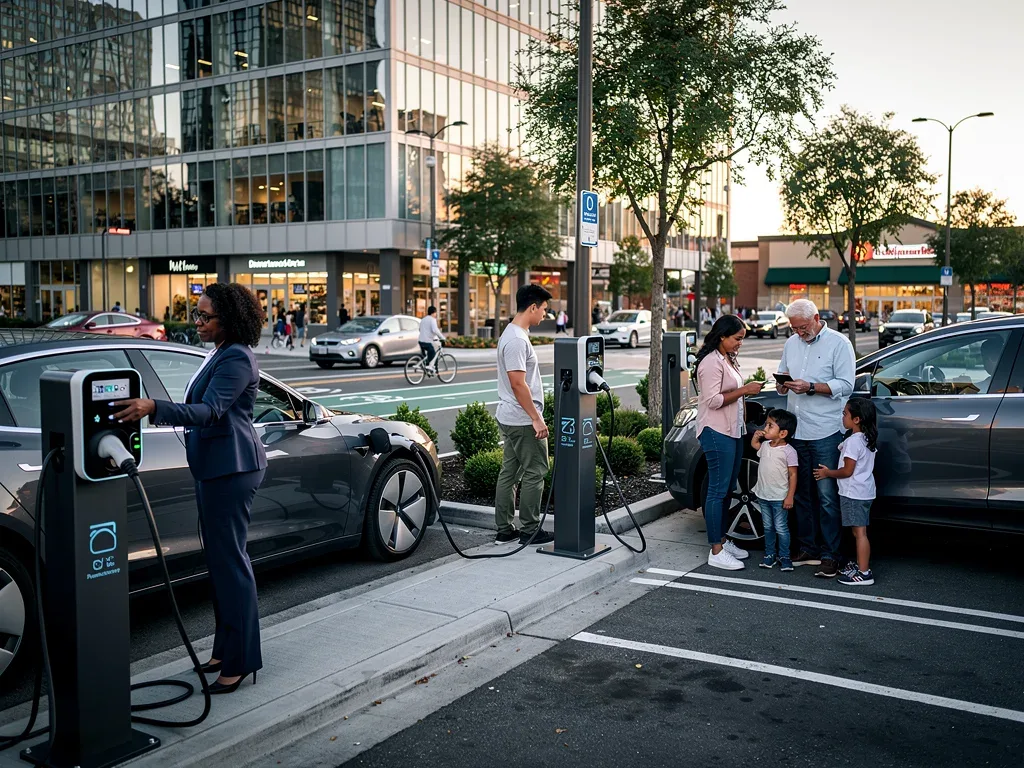
Ensuring Charger Reliability
Charger uptime and reliability are paramount for consumer confidence. Efforts are underway to implement robust monitoring systems and maintenance protocols to minimize outages. Ensuring that the National EV Charging Network is reliable is as important as its size.
Standardization of maintenance practices and clear reporting mechanisms for issues are being developed. This collaborative approach between network operators, manufacturers, and government bodies aims to provide a consistently high-quality charging experience. Reliability will define the next phase of the National EV Charging Network.
Grid Modernization Needs
Upgrading local distribution grids to handle increased load.
Investing in smart grid technologies for demand management.
Integrating renewable energy sources at charging sites.
Developing energy storage solutions to balance grid fluctuations.
The burgeoning National EV Charging Network necessitates concurrent modernization of the electrical grid. This includes strengthening infrastructure and deploying advanced technologies to manage increased demand efficiently. Grid resilience is a key factor in the sustained growth of EV adoption.
Key Point | Brief Description |
|---|---|
200,000 Port Milestone | National EV Charging Network Surpasses 200,000 Public Ports Following Latest Federal Highway Administration Milestone, indicating major infrastructure growth. |
FHWA Announcement | Federal Highway Administration confirms the milestone, highlighting strategic federal initiatives. |
Impact on EV Adoption | Increased charging availability directly supports greater electric vehicle sales and consumer confidence. |
Future Growth | Continued efforts needed for reliability, grid integration, and equitable access. |
Frequently Asked Questions About EV Charging Network Growth
What does it mean that the National EV Charging Network Surpasses 200,000 Public Ports Following Latest Federal Highway Administration Milestone?▼
This signifies a substantial expansion of electric vehicle charging infrastructure across the United States. It means there are now over 200,000 publicly accessible charging connectors available for EV drivers, a critical step towards widespread EV adoption and reduced range anxiety.
How does this milestone impact electric vehicle owners?▼
For EV owners, this milestone translates to greater convenience and accessibility. More charging options mean less time searching for a charger and increased confidence for longer journeys. This expansion makes EV ownership more practical and appealing to a broader audience.
What role did the Federal Highway Administration play in this achievement?▼
The FHWA has been a key driver, providing funding and strategic guidance through programs like NEVI. Their oversight ensures a coordinated national approach to deploying chargers, particularly along critical highway corridors, contributing significantly to the National EV Charging Network Surpasses 200,000 Public Ports Following Latest Federal Highway Administration Milestone.
Are these new charging ports evenly distributed across the US?▼
While efforts aim for broad distribution, deployment is often concentrated in high-demand areas and along major transportation routes. Federal programs are specifically targeting rural and underserved communities to ensure equitable access as the National EV Charging Network Surpasses 200,000 Public Ports Following Latest Federal Highway Administration Milestone.
What are the next steps for the National EV Charging Network?▼
Future efforts will focus on enhancing charger reliability, standardizing payment systems, integrating smart grid technologies, and continuing to expand access in all regions. The aim is to create a seamless, efficient, and fully connected National EV Charging Network Surpasses 200,000 Public Ports Following Latest Federal Highway Administration Milestone.
Looking Ahead
The fact that the National EV Charging Network is a clear indication of accelerating progress in electric vehicle infrastructure. This achievement sets the stage for continued growth, requiring sustained investment and policy support.
Readers should monitor upcoming federal announcements, state-level initiatives, and technological advancements in charging solutions.
The trajectory suggests an even more robust and accessible network in the near future, further solidifying the nation's transition to electric mobility and clean energy transportation.